Climate Change & Your Foundation: Why 2026 is the Year for Structural Reinforcement

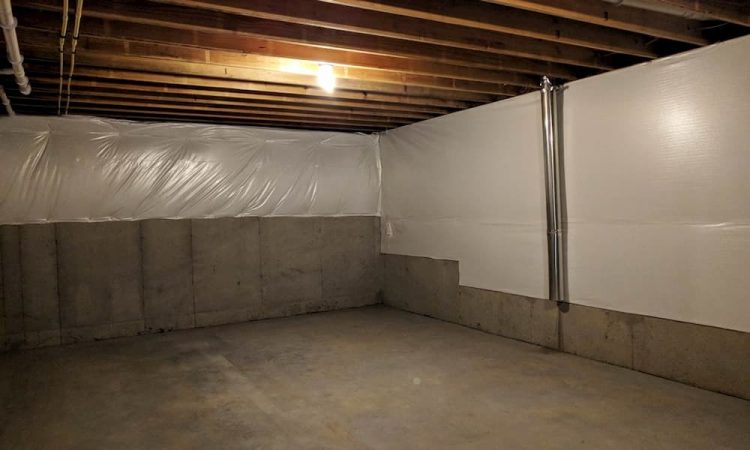
As unpredictable weather patterns dominate early 2026, standard home maintenance is no longer enough to protect a property investment. Rapid swings between deep freezes and torrential rain create immense physical stress on aging residential structures. Many original foundations were never designed to handle such high levels of environmental volatility. The most effective solution to these modern challenges is found beneath the surface through professional basement underpinning. This structural intervention does more than just increase square footage; it reinforces the skeleton of a home against shifting soils and rising water tables. Choosing basement underpinning this year is a critical step in future-proofing a property against an increasingly unforgiving climate.
Defeating the Freeze-Thaw Cycle
The primary cause of structural instability in the current climate is the relentless “freeze-thaw” cycle. When ground soil saturates during heavy rain and then freezes quickly, the trapped water expands by approximately 10%. This expansion exerts massive lateral pressure against foundation walls, often leading to bowing or significant cracking. Professional basement underpinning addresses this by extending the foundation deeper into the earth. Reaching below the frost line ensures the home rests on stable, undisturbed soil that does not shift with the seasons. This deeper support system prevents the house from heaving or settling during extreme temperature changes.
Replacing old, porous footings with reinforced concrete also eliminates common entry points for groundwater. Modern concrete mixes are engineered to resist the corrosive effects of soil acidity and moisture. This high level of structural integrity keeps a home level and dry regardless of the weather outside. A reinforced foundation acts as an immovable anchor that stops the “racking” often seen in older properties. Homeowners who prioritize this reinforcement will notice that doors and windows continue to operate perfectly because the house frame remains square.
Managing Hydrostatic Pressure and Urban Flooding
Increased precipitation in 2026 has led to higher hydrostatic pressure around residential perimeters. When soil becomes oversaturated, water is forced through foundation cracks, leading to expensive flooding. Basement underpinning provides a rare opportunity to overhaul a home’s drainage system from the inside out. During excavation, contractors install high-capacity weeping tiles and specialized drainage membranes. These components channel water away from the walls and toward a professional sump pump system. This proactive approach manages water flow before it ever reaches the interior living space.
Investing in this level of protection is a strategic move, as flood damage costs often exceed the price of permanent structural solutions. Lowering a floor through basement underpinning creates a waterproofed “tub” that sits securely within the earth. The process includes installing heavy-duty vapour barriers and high-density insulation beneath the new concrete slab. This setup prevents moisture from wicking upward and protects the air quality within the home. In an era of extreme rain events, an engineered, bone-dry basement is a major competitive advantage.
Maximizing Value in a Competitive Real Estate Market
The decision to start a foundation project in 2026 is also driven by rising property appraisals. The most logical way to add value to an urban property is to expand downward rather than outward. Basement underpinning allows for a significant drop in floor height, often resulting in eight or nine-foot ceilings. This extra verticality changes the legal classification of the space, allowing for high-end offices or rental suites. Combining increased square footage with enhanced structural safety makes the return on investment undeniable.
Beyond financial gain, there is a clear lifestyle benefit to a bright and airy lower level. Modern basement underpinning techniques allow for larger windows and even walk-out entrances to maximize natural light. This makes a home far more attractive to multi-generational families needing extra living space. Real estate professionals recognize underpinned homes as “gold standard” listings because the most difficult structural work is already done. It is effectively the same as building a new home from the ground up without the cost of a total teardown.
Securing Your Home’s Future
The ultimate goal of a major home improvement is to provide long-term security and longevity. Meteorological data suggests that environmental stresses on residential foundations will only continue to intensify. Choosing basement underpinning is a proactive stance that ensures a home can handle heavy rains and deep freezes. It turns a potential structural vulnerability into the greatest strength of the property. Now is the most opportune time to consult with a specialist and begin the journey toward a safer, taller home. Reinforcing a foundation today provides the peace of mind that comes from a house anchored in excellence.