Kansas City Pest Control and Termite Swarm Season: What the First Warm April Day Actually Means for Your Home

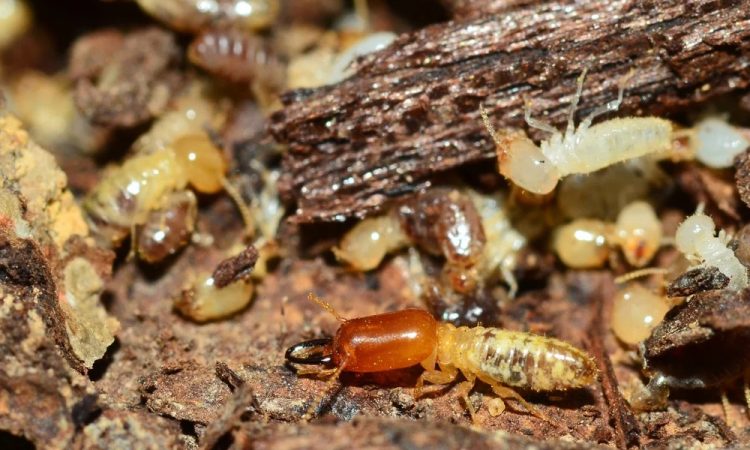
The first 70-degree afternoon in April is the day most Kansas City homeowners accidentally find out whether they have termites. After a warm rain, subterranean termite colonies that have been active underground for years release reproductive swarmers through the soil, through cracks in slab foundations, and through the gaps around basement windows. A homeowner walks into a basement or sunroom and sees a dusting of translucent wings on the floor near a window. That discovery is the moment Kansas City pest control companies, including long-standing local operators like ZipZap Termite & Pest Control in Lawson, start their busiest phone week of the year. The swarm itself is not the damage. It is the symptom of damage that has usually been underway for three to eight years.
Why Missouri Sits in the Heart of Termite Country
The eastern subterranean termite (Reticulitermes flavipes) is the dominant wood-destroying insect across the central and eastern United States. Kansas City’s combination of humid summers, clay-heavy soils that retain moisture, and a long growing season produces some of the highest termite pressure in the Midwest. The University of Missouri Extension puts the state in the highest termite activity zone on the federal Termite Infestation Probability (TIP) map, and the USDA Forest Service’s decay hazard map tells a similar story for the wood-destroying fungi that often accompany termite colonies.
Practically, that means most homes built on slabs or with finished basements in the metro have some exposure. Untreated wood in direct contact with soil, wood mulch piled against siding, leaking hose bibs, and clogged gutters dumping water against the foundation all create the moisture gradient subterranean termites need.
What a Swarm Actually Is
A swarm is not an attack. It is a colony reproducing. Once a subterranean colony reaches a certain size and maturity, typically three to five years, it produces winged reproductives called alates. On a warm, humid spring day, usually between late March and late May in Kansas City, those alates emerge in large numbers, fly short distances, shed their wings, pair up, and try to start new colonies nearby.
The fact that the swarm emerged inside a home rather than outside it matters. An exterior swarm from a stump in the yard is an ecological event. An interior swarm means a colony has been feeding on the structure long enough to produce reproductives and has found a path from its galleries into the living space. The wings on the floor are the evidence.
Swarmers vs Flying Ants: The Identification That Matters
Most suspected termite swarms turn out to be flying ants, and most suspected ant swarms turn out to be termites. Three physical details separate them cleanly.
Antennae. Termites have straight, beaded antennae. Ants have elbowed antennae with a visible bend.
Waist. Termites have a uniform, thick body with no visible constriction. Ants have a distinct pinched waist.
Wings. Termite swarmers have four wings of equal length, extending well past the body. Flying ants have a forewing noticeably larger than the hindwing.
A dead swarmer found on a windowsill can be identified in under a minute with a magnifying glass or a phone camera. Anyone unsure can collect a few specimens in a jar or ziplock and hand them to a pest control technician at the inspection.
The Other Signs a Colony Is Active
Swarms are dramatic but short-lived. Colonies leave other evidence year-round.
Mud tubes, roughly pencil-width and tan in color, run vertically up foundation walls, pier supports, and slab edges. Termites build them to maintain the humidity they need while traveling between soil and wood. Breaking a tube open and finding live termites is definitive, and even an abandoned tube signals past or ongoing activity worth investigating.
Hollow-sounding wood, particularly around baseboards, door frames, and window sills, indicates interior feeding. A screwdriver pushed lightly into compromised wood will sink rather than meet resistance. Paint that buckles, bubbles, or peels without an obvious water source often covers termite damage beneath the surface.
Frass is less common with subterranean species than with drywood termites (which are rare in Missouri), so its absence does not rule out a problem.
What an Inspection and Treatment Actually Involve
A professional termite inspection covers the full foundation perimeter, crawl spaces, basements, attached garages, wood-soil contact points, and any expansion joints or utility penetrations through slabs. The inspector is looking for mud tubes, damaged wood, active swarmers, and conducive conditions (moisture, improper grading, wood debris).
Two treatment approaches dominate the market. Liquid termiticides such as fipronil (Termidor) create a treated zone in the soil around the structure that termites cannot detect and carry back to the colony. Bait systems such as Sentricon install in-ground stations around the perimeter that termites find during normal foraging, then carry toxicant back to the colony queen. Both work when installed correctly, and the choice usually depends on construction type, soil conditions, and whether the goal is immediate elimination or long-term monitoring. Kansas City pest control providers that are certified Sentricon specialists, including ZipZap Termite & Pest Control, tend to lean on the bait approach in cases where trenching around a slab would be impractical.
Treatment warranties of one to five years are standard, with annual renewal inspections forming the actual long-term protection.
When to Call, and What to Have Ready
Any interior swarm, any mud tubes on a foundation wall, and any suspect damaged wood warrant a professional inspection within days rather than weeks. Termites do not stop for deliberation, and a colony that has already produced swarmers is unlikely to go quiet on its own. Photos of the swarmers, the location where they emerged, and any visible tubes or damage speed up the evaluation.
For homeowners buying or selling a home, a Wood Destroying Insect Report (WDIR, commonly called a “termite letter”) is often required by the lender and produced by a licensed pest control company after a full inspection.
The Short Version
The first warm rain of April is Kansas City’s termite calendar. A swarm inside a home means a mature colony has reached the structure and is already feeding. Identification takes a minute. Inspection takes an hour. Treatment, handled by an experienced local Kansas City pest control provider such as ZipZap Termite & Pest Control, is measured in years of protection rather than a single visit. Waiting until next spring to see if the swarm was “just one of those things” usually means another year of hidden feeding on the structure.