Planning a Home Addition in the Magic Valley: A Realistic Timeline and Cost Guide | Element Restoration

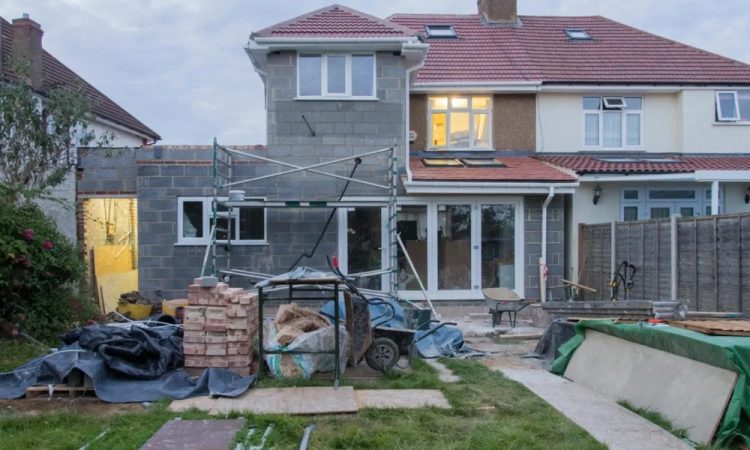
Most people who decide to add onto their home in the Magic Valley start the same way. A kid who needs their own room, a kitchen that hasn’t worked since the family doubled, or a back porch that ought to be a real living space. Then the search begins for what it actually costs and how long it takes.
Most of the answers online are written for a national average, which doesn’t tell a homeowner in Burley, Rupert, or Twin Falls much. Construction in Cassia, Minidoka, and Twin Falls counties has its own pace, its own pricing, and its own timing constraints. This is the version Element Restoration walks new clients through when they’re trying to decide whether the project pencils.
A Realistic Timeline From “Let’s Do This” to Move-In
For a typical addition (a master suite, an expanded kitchen, a sunroom converted to four-season space), six to ten months from initial conversation to occupancy is the realistic range.
- Design and scope: four to eight weeks. Floor plans, structural decisions, cabinet and window selections, working budget.
- Permitting: two to six weeks depending on the jurisdiction. Mini-Cassia, Twin Falls County, and the city of Pocatello each have their own review processes. Custom designs requiring an engineered stamp take longer.
- Construction: three to six months for a typical addition, longer for projects with significant kitchen or bath rebuilds or structural modifications to the existing house.
The tight constraint in southern Idaho is foundation work. Frost depth here is around 30 inches, which means footings need to extend below that to prevent heaving. Pouring concrete in deep cold is possible but requires heated enclosures and accelerators that add cost and risk. Most Magic Valley contractors schedule foundation work between April and October. A project aiming to break ground in February will either pay a winter premium or wait until spring.
Material lead times are the other surprise. Stock windows from a regional supplier might be two to three weeks. Custom or large units run six to twelve. Semi-custom cabinetry runs eight to sixteen weeks depending on the line. If those timelines aren’t built into the schedule from the start, the project sits idle waiting on deliveries.
What Actually Drives Cost in Southern Idaho
National cost-per-square-foot numbers are nearly useless for planning. The honest range is wide, and what puts a project at the high or low end is usually the same handful of factors.
Concrete is one of the bigger swings. Footings, foundation walls, and slab work depend on regional pricing, fuel costs, and how much excavation the site needs. A walkout with retaining walls and grading costs noticeably more than a slab-on-grade addition on flat ground.
Framing labor availability matters more here than in larger metros. The Magic Valley has good crews, but not dozens of them. During busy seasons (late spring through fall), schedules push out and pricing reflects it.
Finish level is where homeowners have the most control over cost, and where most budget overruns start. A bath addition with a stock vanity, basic tile, and standard fixtures might run a third of what the same room with quartz counters, custom tile, and a freestanding tub will. Both can be appropriate. The trouble is making the decision at the design stage, not after framing is up and the budget is already committed.
The existing structure drives cost in ways nobody enjoys. Tying a new roofline into a 60-year-old house often turns up rot, insufficient framing, or wiring that needs to come up to current code. Older homes in Burley, Heyburn, Paul, and similar communities have bones worth keeping, but some additions involve more retrofitting than building.
Questions Worth Asking Before You Sign Anything
Some of these are obvious. Some get skipped, and skipping them is how projects go sideways.
- Are you licensed and registered in Idaho, and what’s your RCE number? The Idaho Division of Occupational and Professional Licenses lookup is public and takes 30 seconds.
- Do you carry general liability and workers’ compensation? Ask for current certificates, not promises.
- Who pulls permits, and is that cost included or separate?
- What’s the payment schedule? Heavy upfront deposits in Idaho are a yellow flag.
- How are change orders handled? Get the process in writing before construction starts.
- Can you provide three references from completed projects of similar scope in the last 18 months?
A contractor who gives clear, specific answers to all of these is worth a second meeting. One who gets vague or impatient is the answer to a different question.
Why Element Restoration Handles the Full Scope Under One Roof
Most additions involve at least four trades: foundation, framing, mechanical, and finish. Coordinating those separately turns the homeowner into the project manager, which works for some people and goes badly for most. A general contractor handling the full scope keeps schedules aligned, catches conflicts before they become rework, and gives the homeowner one number to call. This is the model Element Restoration uses on every addition, remodel, and new build across our 100-mile service area from Burley.
Starting the Conversation
The best time to call a contractor about an addition is earlier than most people think. A 20-minute conversation about scope, site, and rough budget will tell you whether the project is realistic and what the next steps should be, long before any commitment. Element Restoration handles that initial conversation at no cost, and homeowners walk away with enough information to plan their next move whether they hire us or not. The number is (208) 670-2396, and the team can usually schedule an on-site visit within the same week.