Rental properties come with expectations that go unspoken until the final inspection date lands on the calendar. brisbaneupholsterycleaning.com.au deals with a part of tenancy life that most renters push aside until it’s too late. Fabric furniture wears differently from a painted wall or a tiled floor, so it needs its own attention while a lease runs its course. Skip that attention, and bond disputes follow, often over things that could’ve been sorted out months earlier.
Bond return support
Most bond arguments trace back to furniture condition, especially when a landlord has supplied the couch or armchairs as part of the deal. A stain nobody remembers making, an odour that lingers near the cushions, and general soiling that builds up over months. These give property managers something concrete to point at during a final walkthrough.
- Documented cleaning history strengthens a tenant’s position if a dispute arises, since it shows ongoing care rather than a last-minute fix.
- Fresh upholstery cuts down on arguments over normal wear versus neglect.
- Small marks get caught and treated before they turn into permanent discolouration that lowers the furniture condition rating.
- Odour removal handles what a photograph on a condition report can’t show, closing a gap that visual evidence alone leaves open.
Renters who book a clean midway through the lease, rather than scrambling right before the final inspection, usually walk into that meeting with less friction. Property managers compare current condition against the move-in report, not against some vague idea of how old the furniture should look, and that distinction changes what tenants can reasonably push back on.
Health and hygiene
Shared spaces build up allergens and bacteria inside fabric fibres faster than most people expect. Dust mites work their way into cushions and armrests, especially in a place with a history of previous tenants or pets. For a household with young kids, someone with a sensitive chest, or anyone who spends hours sitting on that couch after work, this buildup directly affects daily comfort and air quality indoors.
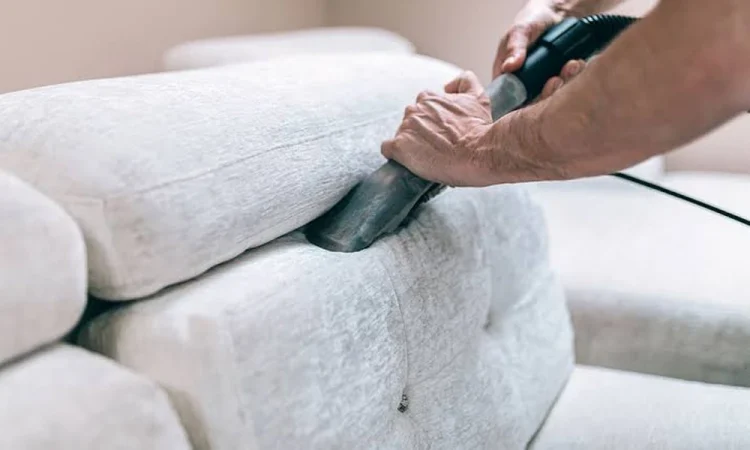
Vacuuming only reaches so far. Dust mites and skin cells burrow deep into cushion padding where a hose attachment can’t reach. Renters moving into a furnished place often inherit years of that buildup without any obvious sign of it. A proper cleaning routine gets underneath that layer instead of just tidying the surface an inspector glances at, which means the health benefit and the inspection benefit come from the same process.
Furniture longevity
Furniture belonging to a rental property is a shared responsibility. Its condition feeds directly into whether a lease renewal proceeds smoothly or a future rental application gets a second look. Fabric that breaks down early because nobody looked after it shortens the life of something that should’ve lasted years longer.
Dirt particles that sit in the fibres create friction every time someone sits down, and that friction wears the cushion structure out from the inside. Internal wear is the direct cause of sagging cushions and thinning fabric that renters often blame on age alone. Tenants who stay on top of it tend to find lease renewal conversations go more easily, too, since property managers notice when furniture has clearly been cared for.
Whether the furniture belongs to the landlord or the tenant, treating fabric care as a routine part of renting beats scrambling at the last minute. Bond expectations, household hygiene, furniture condition, and moving day logistics: handled separately and early, they add up to fewer headaches at every stage of a tenancy.