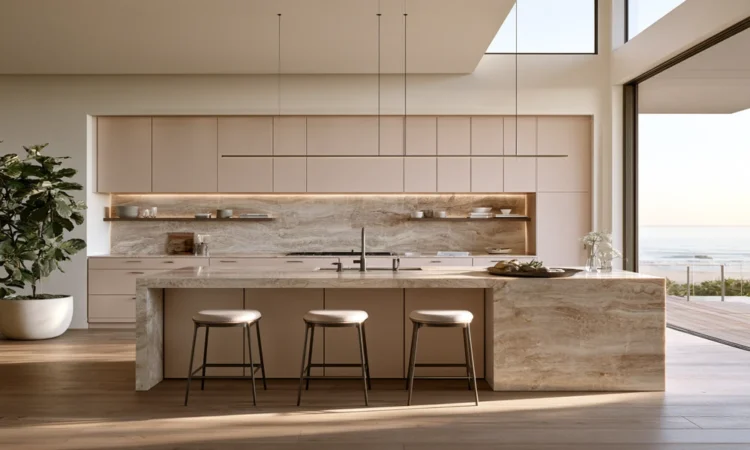
Kitchen design has changed a lot in recent years. For a long time, white, gray, and brown cabinets were the safe choices. They were easy to match and rarely felt out of place.
But safe does not always mean interesting.
More homeowners are now bringing color back into their kitchens, and pink is becoming one of the most surprising choices. Pink kitchen cabinets can add warmth, personality, and character without making the room feel childish or overly bright.
The secret is choosing the right shade and pairing it with materials that balance the color.
Soft blush can create a calm kitchen. Dusty rose can feel warm and mature. Deeper pink can turn an island or cabinet wall into a strong design feature.
If your kitchen feels plain or lacks personality, pink cabinets might be the unexpected upgrade it needs.
Why Are Pink Kitchen Cabinets Becoming Popular?
Neutral kitchens are still popular, but many homeowners want something more personal.
A kitchen is no longer just a place for cooking. It is often where families eat breakfast, friends gather, kids do homework, and guests spend time during parties.
That has changed the way people think about kitchen design.
Instead of creating a room that simply looks clean, homeowners want kitchens that feel comfortable and reflect their style.
Pink fits that idea surprisingly well.
Depending on the shade, pink can feel:
- Warm and welcoming
- Soft and relaxing
- Modern and stylish
- Playful without looking childish
- Bold without becoming too dark
It also works with many materials already found in modern kitchens, including wood, marble, quartz, brass, stainless steel, and tile.
Pink Does Not Have to Mean Bright Pink
One reason people hesitate to choose pink cabinets is that they imagine a very bright shade.
That is only one option.
There are dozens of pink tones that can create completely different moods.
Blush pink is light and subtle. It can almost act like a neutral when paired with cream, beige, and light wood.
Dusty pink has muted gray or brown undertones. This makes it feel calmer and more grown-up.
Salmon and peachy pink contain warmer orange tones. They work especially well in kitchens with natural wood.
Rose pink is richer and gives cabinets more presence.
You can even find deep earthy pink shades that feel closer to terracotta.
Before choosing a color, bring paint samples into your kitchen and look at them throughout the day. A pink that looks soft in a store may appear much brighter under your kitchen lights.
Soft Pink Can Make a Kitchen Feel Warm
White kitchens can look beautiful, but too much pure white can sometimes make a room feel cold.
Pink adds warmth without requiring a dark cabinet color.
A pale blush cabinet paired with a white countertop creates a light and airy appearance while adding more character than an all-white kitchen.
This combination can work especially well in smaller kitchens.
Keep the backsplash simple and use warm lighting to complete the look.
You do not need many other colors. Let the cabinet shade provide the personality while the surrounding surfaces remain quiet.
Pink and Natural Wood Work Beautifully Together
Wood is one of the easiest materials to pair with pink.
The natural brown tones help ground the color and keep the kitchen from feeling overly sweet.
Light oak is especially useful with blush or dusty pink.
For example, you could use pink lower cabinets with open oak shelves above them. A light countertop can connect the two materials and keep the kitchen bright.
Walnut creates a richer appearance.
Its darker brown color adds contrast and can make pale pink cabinets look more sophisticated.
You can introduce wood through:
- Flooring
- Shelving
- Bar stools
- Dining furniture
- Cabinet accents
- Butcher block countertops
You do not need much. Even a few wooden details can change the overall balance of the room.
Marble Can Give Pink Cabinets a More Luxurious Look
If you are worried that pink might look too casual, stone can help.
White marble with natural gray veining looks beautiful beside soft pink cabinets. The stone adds an elegant surface while allowing the cabinet color to remain the main feature.
Quartz can provide a similar effect with easier maintenance.
For a cleaner design, choose a simple white or off-white countertop.
Try not to combine highly colorful cabinets with an extremely busy countertop unless you are intentionally creating a dramatic kitchen. Too many strong patterns competing for attention can make the space feel crowded.
Brass Hardware Brings Out the Warmth
Hardware may seem like a small decision, but every kitchen has multiple handles and knobs.
That makes hardware an important part of the finished design.
Brass is a natural partner for many pink shades.
Both colors have warm qualities, so they tend to complement each other rather than compete.
Brushed brass usually creates a softer appearance than highly polished gold.
Black hardware is another good choice. It creates stronger contrast and can make pink cabinets feel more modern.
For a simple contemporary kitchen, stainless steel or brushed nickel can also work.
The best option depends on the mood you want.
You Don’t Need Pink on Every Cabinet
Choosing colorful cabinets does not mean every cabinet needs to be pink.
Sometimes, using less color creates a stronger design.
One popular approach is to use pink kitchen cabinets only on the lower section while keeping the upper cabinets white, cream, or wood.
This puts most of the color below eye level.
Another option is a pink kitchen island.
If the rest of your cabinets are white or natural wood, a dusty pink island can become a beautiful focal point without taking over the entire kitchen.
You could also use pink for a pantry cabinet, coffee station, or one wall of cabinetry.
These smaller applications are useful if you like the color but are not ready for a completely pink kitchen.
What Wall Colors Work With Pink Cabinets?
The surrounding wall color can change how your cabinets appear.
Warm white is one of the safest choices. It keeps the room bright while supporting the warmth of the pink.
Cream and soft beige can create an even cozier appearance.
If you want more contrast, muted green can be surprisingly effective. Green sits opposite red tones on the color wheel, so the two colors naturally create contrast.
Sage green is particularly useful because it is soft enough to avoid fighting with pink.
For a bolder kitchen, charcoal or deep green walls can make pale pink cabinets stand out dramatically.
Just remember to consider natural light.
Dark walls may look beautiful in a large sunny kitchen but could make a small, poorly lit kitchen feel tighter.
Pink Can Work With Several Kitchen Styles
Pink is not limited to one design style.
In a cottage kitchen, pale pink cabinets can work with farmhouse sinks, wooden shelves, and vintage-style hardware.
For a modern kitchen, choose flat-panel pink cabinets with simple countertops and minimal handles.
Traditional kitchens can use muted rose cabinets with detailed doors, stone countertops, and brass knobs.
Even mid-century-inspired kitchens can use dusty or salmon pink alongside walnut, geometric tile, and simple lighting.
The cabinet door style and surrounding materials often determine the final look more than the color itself.
Think About Lighting Before Choosing Your Shade
Lighting can completely change pink paint.
Natural daylight usually shows the color most accurately.
Warm artificial lighting can make some pinks appear peachier or more orange. Cool lighting may bring out blue or gray undertones.
This is why choosing cabinet paint from a tiny sample is risky.
Paint a large sample board instead.
Place it beside your countertop, backsplash, flooring, and appliances. Check it in the morning, afternoon, and evening.
If you still love the color under different lighting conditions, you probably have a good match.
Are Pink Kitchen Cabinets Hard to Keep Timeless?
Color trends change, so it is reasonable to think about how a pink kitchen might age.
The easiest way to create a lasting design is to avoid building the entire kitchen around a trend.
Choose a muted shade instead of the brightest pink available.
Pair it with materials that have already stood the test of time, such as natural wood, simple stone, white tile, and understated hardware.
You can also limit pink to cabinets that are relatively easy to repaint later.
A pink island, for example, gives you plenty of personality today without making a future color change a major renovation.
Common Mistakes to Avoid
Pink can look beautiful in a kitchen, but balance matters.
Avoid adding too many competing colors at once. Pink cabinets, colorful tile, dramatic countertops, bright walls, and several metal finishes can quickly become overwhelming.
Also, do not choose your cabinet shade without comparing it to your flooring and countertops.
Undertones matter.
A cool pink may clash with a very warm beige floor, while a peachy pink could look strange beside certain cool gray surfaces.
Try to create a clear color direction before buying materials.
Final Thoughts
A kitchen does not have to follow the usual white, gray, or wood formula.
Pink kitchen cabinets offer a way to bring warmth and personality into one of the most-used rooms in your home.
The key is choosing the right pink.
Soft blush can feel almost neutral. Dusty rose offers a mature and comfortable look. Deeper shades can create a dramatic focal point. Pairing pink with natural wood, white stone, brass, black accents, or warm neutral walls can make the color feel intentional rather than trendy.
And you do not have to cover the entire kitchen in pink.
A colorful island, lower cabinet section, pantry, or single cabinet wall may be all you need.
If your current kitchen feels safe but forgettable, pink could be the unexpected change that gives the room a completely new personality.