A water stain on the ceiling tile can look small. But on a flat commercial roof, it is often the first thing you see when there has been a problem building up for many months.
If you own or run a retail space, a medical office, or an apartment building, you know the repair or replace choice can change your budget a lot. It can take out thousands of dollars. Here is how you can spot the signs before you decide.
Why Flat Roofs Fail Differently
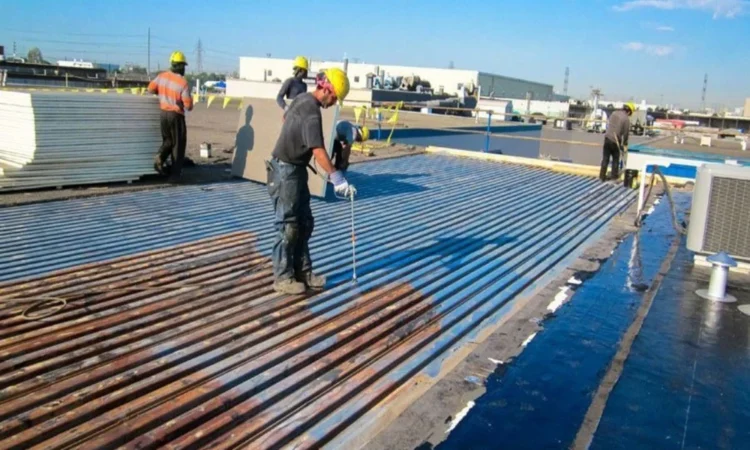
Flat and low-slope roofs do not get rid of water like pitched roofs do. Water tends to stay for a long time on these roofs. It finds weak spots in the seams. It can also slip under flashing around things like HVAC units, vents, and skylights. A team like RGB Construction will start with a full check of the roof for this reason. The leak inside the building is not always right under the place where water enters the roof.
That’s also why patching the easy spot does not always work. You fix one drip, then another shows up three feet away a month on.
Weather puts more stress on your roof. In winter, freeze and thaw cycles make small cracks wider. Summer heat makes membranes get bigger and shrink again. Heavy storms force wind and rain into seams that were fine during light rain. A roof that seemed strong in spring might be in rough shape by fall.
Signs a Repair Will Do the Job
Repairs can be a good idea when the damage is not too bad, and the rest of the system works well. Look for:
• A single, easy-to-find leak linked to a certain spot or seam
• There is some flashing damage close to the rooftop equipment.
• A small storm damaged just one part.
• Small blisters or punctures can show up on a membrane that looks good otherwise.
In these cases, doing targeted work can help add years to the roof’s life. The most important thing is that the problem is contained. If the problem is only in one spot and the material around it still feels firm and dry, you are likely looking at a repair. Forbes Home breaks down what flat roof repairs typically cost, and the numbers show why it is good to catch problems early to save money.
Signs It’s Time to Replace
Some problems can’t be solved by a simple fix. The smart thing to do is to replace what you have if you notice the following:
• The same leaks keep showing up in different places, even after repairs are done.
• Ponding water stays for days after the rain.
• A wet spot in the insulation or soft places when you walk on the roof
• Damaged or rotting decking under the membrane
• Widespread cracking, shrinking, or seam separation
Wet insulation is a big problem. When it gets wet, it does not keep heat in well. Water can also hurt the deck under it. If you just patch the top, it will not fix what is stuck under the surface.
Age is important too. If your roof is getting old and you need to fix it every few months, it is often better to go with a new roof. Add up how much you spent on repairs in the past two years. Compare that amount with what you would pay for a new roof that has a new warranty. A lot of people are surprised to see that the numbers are almost the same.
Maintenance Buys You Time
Most roof problems begin in a small way. Things like clogged drains, loose flashing, and leaves or dirt can build up without anyone seeing at first. The National Roofing Contractors Association shares training and resources on roof repair and maintenance because doing checks often is the least costly way to make a roof last longer.
A good rule is to look at your roof two times every year and after big storms. Clean out the drains, look at the seams, and take photos of any spots that have problems. Keep these photos with your bills for repair work. When you talk with a worker or someone from your insurance, these records will help make things go faster and be clear.
Planning Work Around Your BusinessApart from the roofing services for commercial buildings, there are several other things that are important. There are people such as customers, tenants, and employees who require access. The plan should provide information regarding the service, the materials required, the first thing to do, and the time at which the job should take place to enable the business operations to continue. This is the way RGB Construction carries out its roofing projects for commercial buildings.
Conclusion
Flat roofs often show signs before they break down. You might see a small leak, but the system is still in good shape. In that case, it should be fixed. If they have leaks that keep coming back, water sitting on top, or wet material under the roof, it’s a good idea to think about getting a new one. Have a pro look at it. Keep regular checks going. You should decide what to do based on what is going on under the roof, not just what you see or feel inside.