

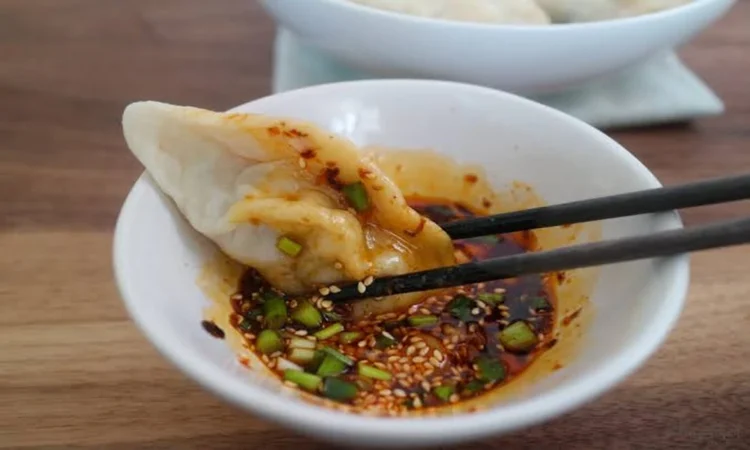
A mustard accent works best as a deliberate part of the meal: decide whether it belongs beside the dumplings as a dip or in the dressing of an accompaniment. Then choose a filling you want to taste with that sharpness. Start with a modest serving and let diners add more, rather than coating the entire meal before anyone has tried the combination.
Decide whether mustard belongs in a dip or dressing
A dip puts the mustard flavor directly beside each dumpling. A dressing distributes it through another component, such as a vegetable side. Those arrangements create different meals even if the same mustard is used. Choose the one that fits the role you want the accent to play.
If the filling is the focus, a separate dip can leave it easy to taste on its own. Diners can try a little of the finish after the first bite. This is useful when the combination is new to you, because you can adjust the amount without changing the entire plate.
If the side needs a sharper note, mustard may belong there instead. The dumplings can remain plainly served while the accompaniment brings contrast. This arrangement also reduces the number of sauce vessels at the table. You do not need both a mustard dressing and a mustard dip unless you specifically want that repetition.
Look at the filling descriptions on this New York City shopping page when deciding which product to pair with the finish. Oh! So Cheesy contains potato and cheddar in full-size vegetarian pierogies. That familiar combination offers a concrete starting point for someone who enjoys mustard with savory potato or cheese flavors.
Consider the physical arrangement as well. A dip needs a vessel that can be reached, while a dressed side needs room on the plate or in a bowl. In a small kitchen or dining area, choosing one clear use for the mustard can simplify both preparation and service.
Make sure the people eating understand where the mustard appears. A visibly plain dumpling may be served beside a dressing whose ingredients are not obvious. Keep the ingredient information available and describe the accompaniment accurately when someone asks. If another person prepares the side, agree on the dressing before they begin so you do not independently add mustard to two components.
Start with a modest flavor idea
Use a mustard you already know for the first meal. Prepared mustards differ in character, and a familiar one gives you a better starting point than buying several varieties to compare at once. Think about the flavor you enjoy from it and how strongly you want that flavor to appear.
Choose a simple preparation you can make comfortably. If you have an established dressing or dip, use that as the basis rather than improvising a complicated sauce. The new question is whether it suits the dumpling filling. Keeping the rest familiar makes the answer easier to notice.
Try a small amount with the prepared food before committing to a larger serving. A finish that tastes appealing by itself may be stronger than you want beside the filling. You can increase the amount at the table, while removing a sauce already spread across everything is much harder.
Keep other strong accents under control. If the meal already includes a sharp pickled garnish or a heavily seasoned side, decide whether mustard adds a useful difference. It may be better to save one accent for another dinner. The plate does not need every condiment that could plausibly accompany potato.
A potato-and-cheddar filling may appeal with a mustard accent, but a different household may prefer it without one. Treat the pairing as a choice to explore. You are looking for an enjoyable relationship between foods, not trying to prove that a classic-sounding combination must work for every person.
Prepare the frozen dumplings according to the directions on their package. Keep any experiment with the finish at the serving stage. A sauce idea can be changed easily without changing the method required to cook the uncooked product.
Leave room for diners to control the amount
Serve the dip separately or offer the dressed accompaniment in a way that preserves choice. Someone may want only a little sharpness beside the cheddar filling, while another prefers more. You do not need to negotiate one intensity for the whole table when the arrangement can be adjustable.
Provide an appropriate utensil so the finish is easy to use. A narrow container with no spoon can make a simple condiment awkward, particularly when guests are holding plates. The vessel should fit the food and setting rather than merely look attractive beside the dish.
If the mustard is in a shared salad dressing, consider setting aside some undressed accompaniment when that suits the recipe and guests. This can help someone who prefers the vegetable plainly. Make the choice before mixing rather than trying to remove dressing afterward.
Keep the final plate readable. The dumplings, side, and mustard accent should each have a visible place instead of becoming one thoroughly coated mixture. That makes it easier to adjust the balance during the meal and to remember what worked afterward.
After dinner, keep a specific observation: perhaps a small dip was enough, or the mustard worked better in the vegetable dressing. That detail can guide the next meal and the amount you prepare. A successful accent is one you can use with confidence, including knowing when the filling is better left alone.


