Brick walls are often chosen for their durability and low maintenance, but even the toughest masonry can suffer damage over time. While bricks themselves are strong, the integrity of a wall also depends on the quality of mortar, drainage, and construction techniques. Understanding the most common causes of brick damage can help homeowners take steps to prevent long-term deterioration and costly repairs.
1. Water Infiltration
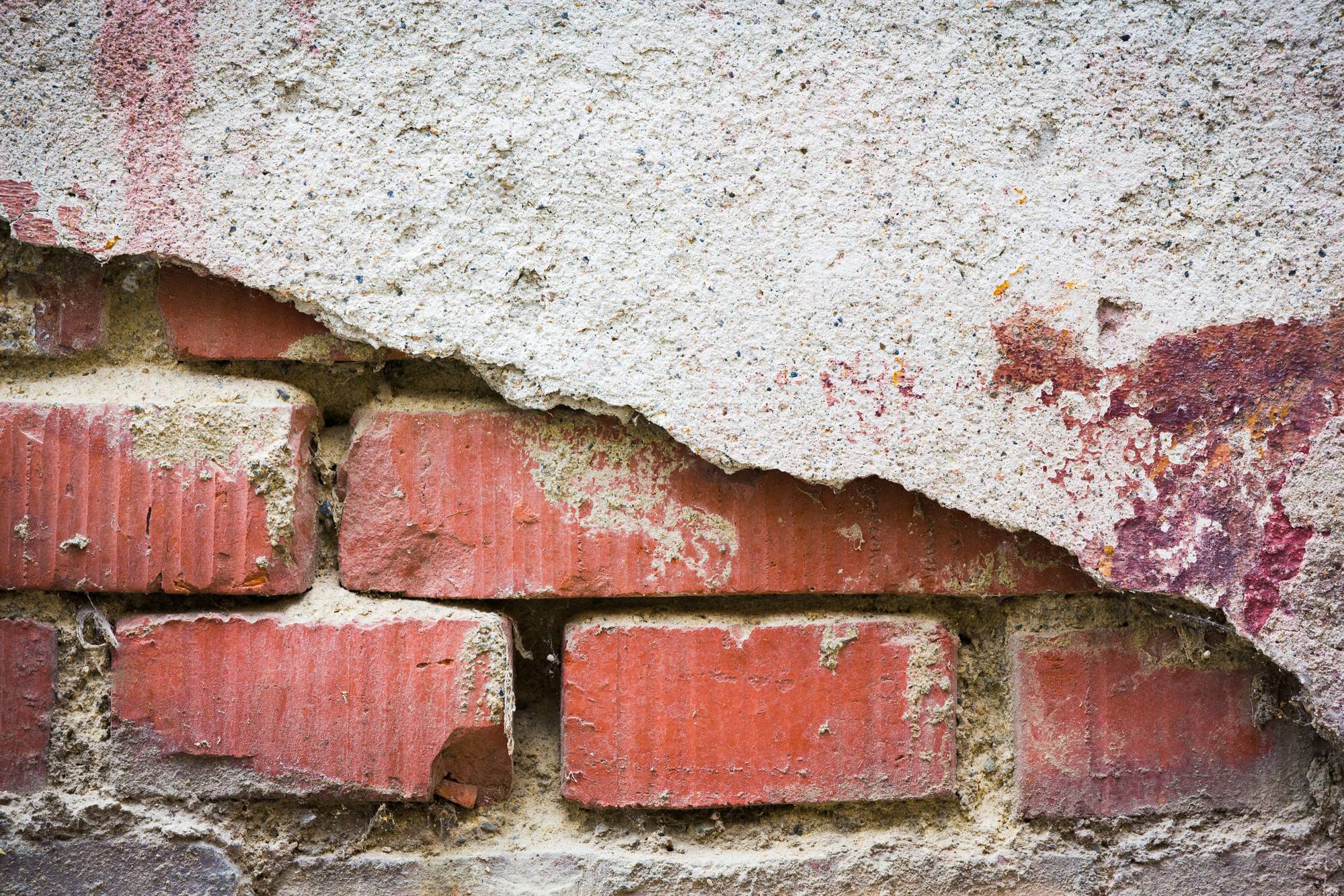
Moisture is the number one enemy of brick structures. When water enters through cracked mortar joints or porous bricks, it can freeze and expand during cold weather, leading to cracking, spalling, and joint separation. Over time, this cycle of freezing and thawing can weaken an entire section of a wall.
To prevent this, make sure your gutters and downspouts direct water away from the base of the wall. Repointing mortar joints as they begin to deteriorate also plays a critical role in protecting against water infiltration. In more advanced cases, professional brick repair services may be necessary to remove and replace damaged areas of brick and mortar.
2. Settlement and Foundation Shifts
As homes settle, especially those built on expansive clay soils or poorly compacted ground, brick walls can shift. This may result in stair-step cracks through the mortar or diagonal cracking near windows and doors. Monitoring changes over time helps identify whether a crack is cosmetic or structural in nature.
3. Vegetation and Tree Roots
Ivy and climbing vines can trap moisture against a wall and interfere with the mortar. Tree roots, especially from large species planted too close to the foundation, can exert pressure on underground walls or footings, causing stress and cracking.
4. Poor Construction or Incompatible Materials
Sometimes, the issue stems from the initial build. Using hard cement mortar on soft clay bricks, for example, can lead to cracking as the wall is unable to flex properly under stress. Similarly, improper installation of weep holes or lack of proper flashing can trap water inside the wall system.
5. Lack of Maintenance
All masonry requires periodic care. Ignoring early signs of damage can lead to more extensive deterioration over time. Regular visual inspections, cleaning away debris, and addressing minor cracks early can extend the lifespan of your masonry significantly.
Conclusion
Most brick damage is preventable with good design, proper drainage, and timely repairs. When issues arise, addressing them early—whether it’s a minor crack or a larger structural concern—can make all the difference in preserving the wall’s strength and appearance.
If you’re unsure about the condition of your brickwork, reaching out to an experienced masonry contractor can help you assess the situation and decide the best course of action.