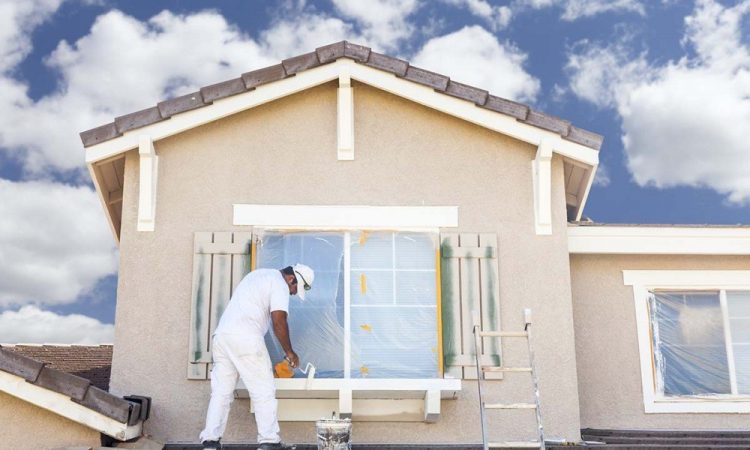
Exterior paint protects a home from rain, sunlight, frost, and temperature changes. It also shapes the first impression of the property. Fresh paint gives a house clean lines and strong colour. Yet no exterior coating lasts forever. Weather exposure, surface condition, and paint quality all influence how long the finish remains strong.
Most exterior house paint lasts 5 to 10 years. Some surfaces require repainting sooner, while others last longer with the right preparation and materials. Homeowners who know the paint’s lifespan can plan maintenance before serious damage.
Average Lifespan of Exterior House Paint
Exterior paint durability varies depending on surface type and climate conditions. On average, professional decorators expect a properly painted exterior to remain in good condition for five to ten years.
Several surfaces fall within predictable time ranges:
- Timber siding: 5 to 7 years
- Rendered walls: 7 to 10 years
- Brickwork with masonry paint: 10 years or more
- Metal surfaces: 5 to 8 years
- Exterior doors and trim: 4 to 6 years
Timber often requires more frequent repainting because wood expands and contracts with moisture changes. Render and brick surfaces tend to hold paint longer because they remain stable and resist movement.
The quality of paint and preparation impacts these figures. A carefully prepared exterior with high-quality coatings often reaches the upper end of these ranges.
Exterior Paint Lifespan on Different Surfaces
Every building material interacts with paint in a different way. Some surfaces absorb moisture. Others resist it. These differences affect durability.
Timber cladding requires careful attention. Wood absorbs moisture during rain and releases it during dry periods. This constant movement places stress on paint films. Professional decorators often apply primer, undercoat, and two top coats to achieve stronger protection.
Rendered walls usually maintain paint longer. Smooth render allows paint to bond tightly with the surface. Modern masonry paints include flexible resins that resist cracking during temperature changes.
Brick surfaces also perform well with masonry coatings. These paints allow the wall to breathe while repelling rainwater. When applied correctly, brick paint coatings often remain stable for a decade.
Metal gates, railings, and trims require specialist metal primers before top coats. Without proper priming, rust may appear and weaken the paint layer.
Proper preparation and the correct coating system maximise the lifespan of each surface.
Weather Conditions and Exterior Paint Durability
Weather exposure strongly affects paint life. Homes in mild conditions keep paint longer than homes exposed to harsh weather.
Rain, frost, and sunlight stress exterior coatings. Moisture penetrates small cracks and expands during freezing conditions. This movement weakens paint adhesion.
Sunlight also affects paint durability. Strong ultraviolet light fades pigments and dries the paint film. South-facing walls fade faster because they receive direct sunlight throughout the day.
Coastal homes face additional challenges. Salt carried by sea air settles on painted surfaces and accelerates wear. Properties in exposed locations often require repainting sooner.
Homes in sheltered areas, surrounded by trees or neighbouring buildings, often maintain paint longer because surfaces receive less direct weather exposure.
Preparation Quality and Paint Lifespan
Surface preparation plays a major role in paint durability. Even the best exterior paint fails quickly when applied to poorly prepared surfaces.
Professional decorators begin with thorough cleaning. Dirt, algae, and loose paint must disappear before painting begins. Pressure washing or manual scrubbing removes surface contamination.
Decorators then repair damaged areas. Cracks in the render receive filler or sealant. Timber surfaces require sanding and priming. Loose coatings must come off completely.
Primer coats seal the surface and create strong bonding for the top layers. Without primer, paint may peel or blister within a few years.
Good preparation ensures that new paint bonds securely. It forms a protective barrier against moisture and sunlight.
Paint Quality and Durability
Not all paints deliver the same lifespan. Trade quality exterior paints contain stronger resins and weather-resistant pigments. These ingredients allow the coating to remain flexible and resist cracking.
Professional decorators often choose premium masonry paints or exterior acrylic coatings. These products withstand rain and sunlight far better than lower-grade alternatives.
High-quality paint also improves coverage. Thicker paint films resist wear and provide stronger protection for the underlying surface.
Cheap paint may reduce initial costs but often leads to early fading, peeling, and patchy colour.
Signs Exterior Paint Requires Repainting
Exterior paint rarely fails overnight. Gradual changes signal that the coating approaches the end of its life.
Common warning signs include:
- Fading colour across walls
- Peeling or flaking paint layers
- Hairline cracks in painted surfaces
- Chalky residue on the surface when touched
- Exposed timber or render patches
Homeowners should address these signs early. Prompt repainting prevents moisture damage and protects the structure beneath the coating.
Ignoring these signals often leads to deeper repairs, especially on timber surfaces.
Ways to Extend Exterior Paint Life
Homeowners can increase paint durability with proper care and maintenance.
Regular surface cleaning removes dirt, algae, and pollution deposits. Simple washing every year helps maintain the condition of the paint.
Gutter maintenance also protects painted surfaces. Overflowing gutters direct water down walls and weaken paint layers.
Trimming nearby trees and plants improves airflow and reduces damp conditions near exterior walls.
Small cracks or peeling patches should receive quick repairs. Early attention prevents larger sections of paint failure.
For further guidance on exterior coatings and paint durability, resources from Dulux Trade Paint Expert provide professional insights into maintaining long-lasting exterior finishes.
Exterior Paint Longevity and Home Maintenance
Exterior paint performs two roles. It protects the building structure and improves appearance. Most homes require repainting every five to ten years, depending on surface type, climate exposure, and preparation.
High-quality materials, preparation, and skilled application extend the lifespan of exterior coatings. When maintained correctly, painted walls, timber trims, and masonry surfaces remain strong, weather-resistant, and visually clean for many years.