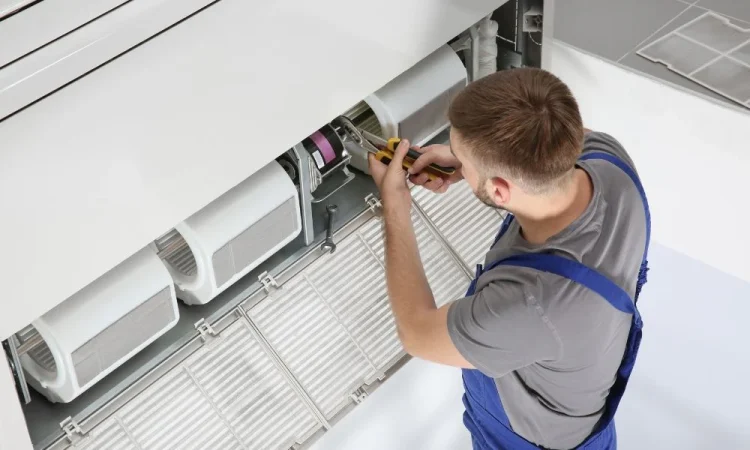
A home’s comfort depends heavily on a well-functioning HVAC system. Heating, ventilation, and air conditioning systems control indoor temperature, airflow, and air quality. When these systems run efficiently, homes remain comfortable throughout every season. However, without proper care, HVAC equipment gradually loses efficiency and performance.
Preventive maintenance is the key to long-term system reliability. Homeowners who avoid unit breakdowns with regular HVAC maintenance often experience fewer unexpected repairs and improved system performance. Routine service ensures that every component works correctly while reducing strain on the equipment.
According to the U.S. Department of Energy, regular HVAC maintenance can reduce energy costs by up to fifteen percent. These savings occur because well-maintained systems operate with less resistance and improved airflow. Homeowners who avoid unit breakdowns with regular HVAC maintenance also benefit from longer equipment life and better indoor comfort.
How HVAC Systems Work in a Modern Home
HVAC systems consist of several integrated components that work together to regulate indoor comfort. Each part has a specific role in maintaining consistent temperature and airflow.
The heating system typically includes a furnace or heat pump. Furnaces generate heat using gas or electricity, while heat pumps transfer heat from outdoor air. Both systems distribute warm air through ducts and vents throughout the home.
The air conditioning unit cools indoor air during warmer months. It removes heat and humidity from the air and circulates cooler air through the duct system. Proper refrigerant levels and clean coils are essential for efficient cooling.
Ventilation and ductwork complete the system. Ducts move conditioned air into each room and return air to the HVAC unit. Proper airflow ensures consistent temperature and improved indoor air quality.
Top Signs Your HVAC System Needs Maintenance
Many homeowners overlook small warning signs before major system problems appear. Recognizing early indicators helps prevent expensive repairs later.
Uneven temperatures between rooms often suggest airflow issues or duct blockages. Strange noises, such as rattling or buzzing, may indicate loose parts or worn components. Weak airflow from vents usually means filters or ducts are clogged.
Higher electricity bills without increased usage often signal declining efficiency. Frequent system cycling, where the unit turns on and off repeatedly, also suggests maintenance is needed.
Addressing these signs early improves system performance and prevents long-term damage.
Benefits of Regular HVAC Maintenance
Routine HVAC maintenance provides several measurable benefits for homeowners. Proper care keeps equipment running efficiently while protecting long-term investment.
First, maintenance improves energy efficiency. Clean coils, filters, and components allow systems to run smoothly without excessive power consumption. Improved efficiency reduces monthly utility bills.
Second, regular service extends the system’s lifespan. HVAC equipment that receives consistent maintenance can last five to ten years longer than neglected systems.
Maintenance also improves indoor air quality. Clean filters and ducts reduce dust, allergens, and airborne particles circulating throughout the home.
Preventive maintenance helps prevent unexpected breakdowns. Technicians can identify worn parts before they fail. Routine service also helps maintain manufacturer warranty coverage, which often requires documented maintenance.
Essential HVAC Maintenance Tasks for Homeowners
While professional service is important, homeowners can perform several maintenance tasks themselves. These steps help maintain system performance between service visits.
- Replace air filters every one to three months
- Clean vents and registers to maintain airflow
- Inspect thermostat settings for proper temperature control
- Clear leaves and debris from outdoor HVAC units
- Check insulation around ducts for air leaks
These simple tasks help maintain airflow and reduce unnecessary strain on the system.
Seasonal HVAC Maintenance Checklist
Seasonal maintenance prepares HVAC systems for changing temperatures. Performing these checks before peak seasons helps ensure reliable performance.
Spring and Summer Preparation
- Before warmer weather arrives, homeowners should carefully inspect cooling components. Technicians typically check refrigerant levels and ensure the system can cool effectively.
- Cleaning condenser coils is also essential. Dirt buildup impedes efficient heat transfer, forcing the unit to work harder. Electrical connections should be inspected to ensure safe operation.
- These steps help prepare the air conditioning system for heavy summer use.
Fall and Winter Preparation
- Heating systems require similar preparation before colder weather begins. Technicians inspect furnace components, including burners and ignition systems.
- Testing the heating system early allows time to fix issues before winter arrives. The heat exchanger and burners should be inspected carefully to ensure safe operation.
- Seasonal maintenance ensures that heating systems operate efficiently during cold months.
Importance of Professional HVAC Inspections
Professional inspections provide a deeper level of system evaluation than basic homeowner maintenance. Certified HVAC technicians use advanced tools and diagnostic equipment to identify hidden problems.
Technicians can detect refrigerant leaks, electrical issues, and airflow restrictions that homeowners might miss. Professional cleaning also improves efficiency by removing buildup from internal components.
Safety inspections are another important benefit. HVAC systems involve electrical connections, gas lines, and pressure components that require careful handling. Professional services ensure compliance with safety standards and protect homeowners from potential hazards.
Indoor Air Quality and HVAC Maintenance
Indoor air quality is closely connected to HVAC system performance. Air circulates through the duct system multiple times each day. If ducts and filters are dirty, pollutants spread throughout the home.
Dust, allergens, and other particles accumulate inside ductwork over time. Dirty filters restrict airflow and reduce system efficiency. Regular maintenance helps improve air filtration and ventilation.
Clean systems distribute healthier air while reducing respiratory irritants. Families benefit from better breathing conditions and improved overall comfort.
Energy Efficiency and Lower Utility Bills
Energy efficiency remains one of the most important benefits of HVAC maintenance. Systems that receive routine service operate with less resistance and improved airflow.
Clean components require less electricity to function. Proper airflow prevents the system from working harder than necessary. Even small efficiency improvements can reduce energy costs significantly over time.
Smart thermostats also contribute to energy savings. These devices adjust temperature settings automatically based on usage patterns. When combined with proper maintenance, smart controls help optimize HVAC performance.
Choosing a Reliable HVAC Maintenance Service
Selecting a qualified HVAC maintenance provider ensures dependable service and long-term results. Homeowners should look for licensed and certified technicians who follow industry standards.
Customer reviews and ratings offer valuable insights into service quality. Reliable companies maintain strong reputations within their communities.
Preventive maintenance plans are another important factor. Service plans provide regular inspections, priority scheduling, and reduced repair costs. Companies offering emergency repair services provide additional peace of mind during unexpected breakdowns.
Choosing the right provider ensures that HVAC systems remain efficient and reliable throughout the year.
Conclusion
Proper HVAC maintenance plays a vital role in maintaining home comfort, energy efficiency, and indoor air quality. Regular inspections and routine maintenance help systems operate smoothly, reduce energy costs, and prevent costly repairs. Homeowners who follow preventive maintenance practices enjoy longer equipment life and more consistent temperature control. Partnering with a trusted HVAC professional ensures thorough inspections and expert service. With regular maintenance, homeowners can protect their investment and keep their homes comfortable year-round.