Parking lot paving serves as a critical foundation for commercial properties, where daily vehicle traffic, weather exposure, and operational needs demand surfaces that remain reliable and safe. In the Twin Cities region, with its mix of heavy snow, freeze-thaw cycles, and summer heat, effective parking lot paving requires thoughtful planning and quality execution. A well-paved lot supports smooth traffic flow, enhances safety, and protects your investment over the long term. TruSeal America, a family-owned provider serving the area since 2000, brings specialized experience to these projects, helping property managers achieve durable results tailored to local conditions.
Key Aspects of Quality Parking Lot Paving
You start with a solid base when undertaking parking lot paving. Contractors evaluate site-specific factors such as soil stability, drainage patterns, and expected traffic volume. High-quality asphalt mixes, combined with proper compaction, create surfaces capable of handling constant use without developing ruts or premature cracks. In commercial settings, this attention to foundational work ensures the lot performs reliably under the weight of delivery trucks, employee vehicles, and customer traffic.
Drainage plays a central role in longevity. During parking lot paving, contractors incorporate slopes and strategic grading to direct water away from the surface, reducing the risk of pooling that can lead to erosion or structural damage. This step proves especially important in Minnesota, where spring thaws and heavy rains can quickly expose weaknesses in poorly designed lots.
Protective Measures Following Initial Paving
Once the asphalt is in place, sealcoating provides an essential layer of defense. This application shields the surface from ultraviolet rays, water infiltration, and chemical spills common in parking environments. Regular sealcoating extends the life of your parking lot paving by preventing oxidation and minor cracking from escalating into larger issues. Property managers often schedule this treatment on a recurring basis to maintain both function and appearance.
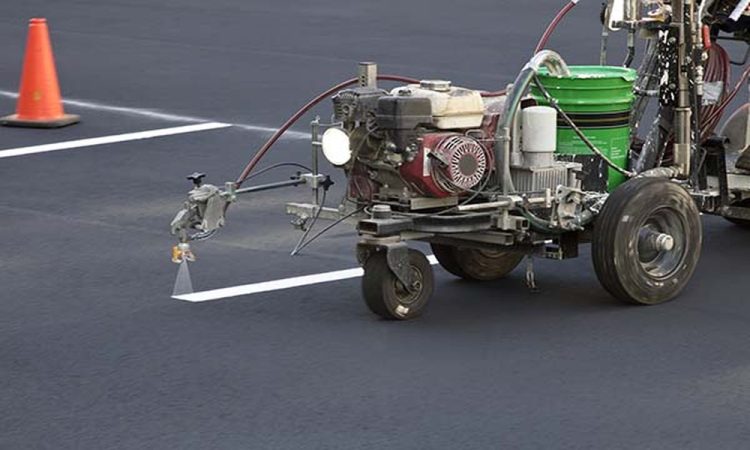
Striping follows to bring organization and clarity. Precise markings define parking spaces, drive aisles, directional arrows, and accessible routes. Fresh striping improves navigation for visitors and staff while helping meet ADA requirements and local regulations. In busy commercial lots, these details contribute to efficient operations and a professional impression.
Addressing Seasonal Challenges in the Midwest
Winter conditions test the parking lot paving more than most other surfaces. Snow accumulation and ice can accelerate wear if not managed properly. Reliable snow removal keeps lots accessible and prevents plow damage or salt-related deterioration. Contractors experienced in the Twin Cities climate prioritize prompt clearing and use methods that safeguard the pavement during harsh months.
Come spring, you may need to address any minor cracks or surface wear that emerged over winter. Proactive repairs at this stage prevent small problems from growing, preserving the integrity established during initial parking lot paving. TruSeal America applies regional knowledge to recommend maintenance approaches that align with these seasonal shifts.
Long-Term Value Through Experienced Partnership
Choosing a provider familiar with commercial parking lot paving in Ramsey, Hennepin, Dakota, Anoka, Washington, and Carver Counties makes a noticeable difference. In-house teams handle the full process-from site preparation to final striping-ensuring consistency and efficiency. TruSeal America focuses on quality materials and proven techniques, delivering surfaces built to withstand daily demands with minimal disruption to your operations.
Effective parking lot paving goes beyond the initial installation. It involves ongoing care that adapts to usage and weather patterns. By partnering with a knowledgeable team, you secure a lot that supports your property’s needs season after season while maintaining safety and curb appeal.