An early winter storm rattled the windows of a classic Montreal home, but inside, the hardwood floors barely creaked. That day, the owners realized their flooring choice was more than a design decision. It was the backbone of comfort, warmth, and resilience in a famously unpredictable climate.
The Story Behind One Montreal Home’s Hardwood Flooring Choice
Every home faces unique challenges, but Montreal adds a twist: sub-zero winters, humid summers, and the constant traffic of boots and paws. The owner, a first-time renovator, quickly learned that beautiful floors often hide secrets, some wear quickly, others thrive for decades. What made this home’s flooring stand out was not just its appearance, but how it resisted scratches, warping, and stains year after year.
Initial Flooring Needs and Environmental Considerations
From the outset, the goal was clear: select a hardwood that could handle Montreal’s freeze-thaw cycles and indoor heating without cupping or gapping. Durability was non-negotiable. Sustainability and easy cleaning were close seconds. These priorities ruled out some popular options and put a spotlight on both traditional and innovative flooring brands.
Researching Hardwood Varieties: Local Climate Impact
A deep dive into flooring forums and local experts revealed a simple fact: the best hardwood for Montreal isn’t always the hottest trend. Instead, species and finishes that balance density and stability top the list. Moisture resistance and adaptability to radiant heating matter far more than style alone.
Understanding Hardwood Flooring Types and Their Durability
The flooring market offers two main options: solid and engineered hardwood.
| Type | Pros | Cons |
|————|——————————————–|—————————————-|
| Solid | Long lifespan, can be refinished multiple times, natural look | Sensitive to humidity, can warp or crack |
| Engineered | More stable in variable climates, resists moisture, versatile installation | Usually can be refinished less often, sometimes thinner wear layer |
Solid hardwood appeals for its authenticity and repairability. Engineered hardwood wins points for stability in the face of wild Montreal humidity swings. In this home, engineered varieties outperformed expectations during damp springs and dry, heated winters.
Popular Hardwood Species in Montreal Homes
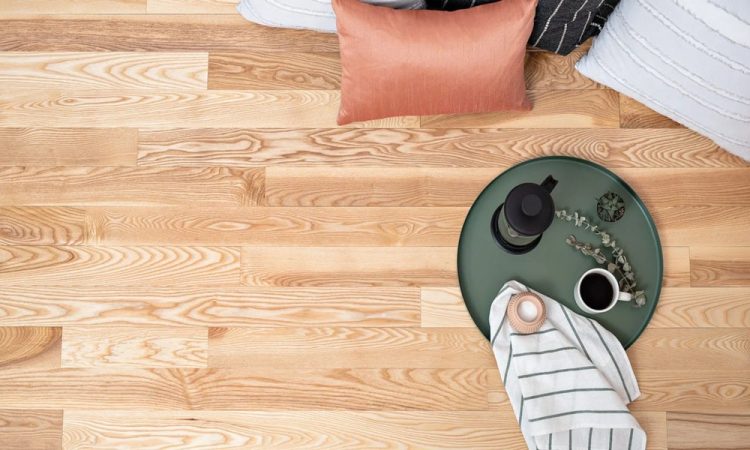
A closer look at local showrooms points to a few clear favorites: maple, red oak, ash, and cherry. Each offers its own blend of durability, color, and grain. Maple, in particular, stood up best to the wear and tear of busy households.
How Grain and Hardness Affect Longevity
Flooring experts often point to the Janka Hardness Scale, a measure of how well wood resists dents and dings. Dense woods with tight grain patterns, like maple and oak, naturally fare better against heavy use. Open-grained species may absorb more moisture and show scratches faster.
The Role of Wood Species in Flooring Performance
Maple: Strength and Resistance in Action
Montreal homeowners often gravitate toward maple, and it’s easy to see why. Its closed grain shrugs off spills and repeated foot traffic. Over several winters in this featured home, maple flooring barely showed signs of wear, even by high-traffic doorways.
Red Oak: Classic Appeal Meets Durability
While not quite as hard as maple, red oak offers a timeless look and copes well with seasonal changes. Its visible grain can disguise scratches, making it a favorite for families and pet owners.
Exotic and Specialty Woods: Beyond Basics
Some residents opt for exotic options like Brazilian cherry or tigerwood. These bring unique aesthetics and exceptional hardness but usually at a steeper price point. The featured home considered these, but ultimately chose local species for both cost and environmental reasons.
Real-World Wear Tests and Maintenance Outcomes
After several years, the flooring in this Montreal home had only minor scuffs, easily erased with light refinishing. Routine cleaning and a quality sealant kept moisture at bay and preserved the original luster.
Installation and Finishing Techniques That Enhance Durability
A durable floor starts with smart installation. Floating floors worked well over radiant heating, while nail-down methods offered the most stability in drier rooms. The right choice depended on the subfloor and intended use.
Finishes and Sealants: Protecting Hardwood Floors
Water-based polyurethane finishes offered a clear, durable layer that protected against spills without yellowing over time. Oil-based finishes enriched color but required more upkeep. In this case, quick-drying, eco-friendly finishes kept the project on schedule and the home safe for children and pets.
Impact of Humidity Control and Subfloor Preparation
Proactive humidity control, like using humidifiers or dehumidifiers depending on the season, helped minimize expansion and contraction. Carefully prepared subfloors ensured a level foundation, preventing creaks and future movement.
Lessons Learned from the Montreal Home Experience
Routine sweeping, prompt spill cleanup, and felt pads under furniture made a noticeable difference. Avoiding common mistakes, such as skipping acclimation or using harsh chemical cleaners, kept the floors in top shape.
Cost vs. Durability: Making Smart Investment Decisions
The featured home’s owners found that slightly higher upfront costs paid off in fewer repairs and longer lifespans. Investing in brands known for high performance, such as Club Ceramic hardwood flooring, gave peace of mind without breaking the bank.
Future Trends in Hardwood Flooring for Harsh Climates
Recent innovations include tougher finishes, click-lock installation systems, and eco-friendly options. As climate patterns shift, more homeowners are seeking out sustainable hardwood sources and advanced moisture barriers. The story of one Montreal home is a lesson in balancing style with smart choices for long-lasting beauty, even when the weather outside is wild.