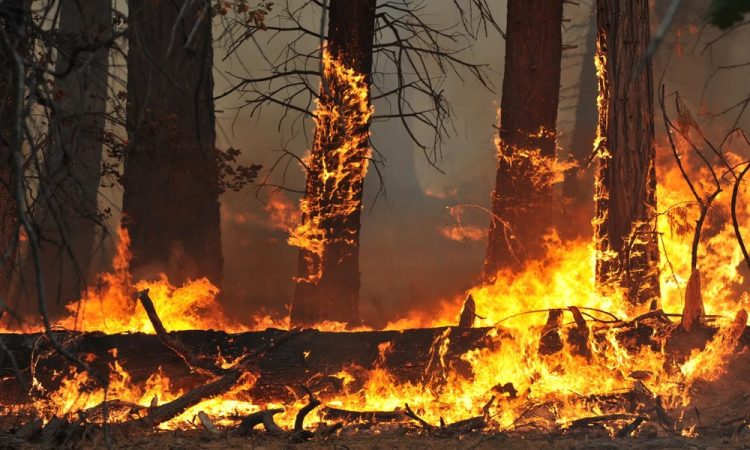
Fires can start quickly and spread fast, putting your home and loved ones at serious risk. The best way to stay safe is to be prepared. Installing fire alarm systems and practicing safety measures can give you early warning and help prevent accidents. By learning how to protect your home, plan your escape, and handle emergencies, you can greatly reduce the risk of injury or damage. This guide will walk you through important steps for keeping your home and family safe from fire.
Install Fire Protection
Smoke alarms are one of the most important ways to protect your home from fire. Make sure to install smoke alarms on every level of your home, including the basement, and outside every sleeping area. If you sleep with the door closed, place one inside your bedroom.
Test your smoke alarms every month to make sure they work properly. Replace batteries at least once a year or immediately if the alarm “chirps” to warn that the battery is low. Never remove the battery for another use because a disabled alarm cannot protect you. Smoke alarms also have a lifespan-replace any alarm that is more than 10 years old. For extra protection, you may also consider installing an automatic fire sprinkler system.
Plan Your Escape from Fire
If a fire happens, you need to get out quickly. Sit down with your family and create a clear escape plan. Make sure everyone knows at least two ways to get out of each room, including windows. If you live in an apartment building, remember to use the stairs-not the elevator. Decide on a safe meeting place outside, away from the building, so everyone can be accounted for.
Practice your escape plan at least twice a year. Practicing helps everyone stay calm and know what to do if a real fire occurs.
Keep an Eye on Smokers
Careless smoking is one of the leading causes of house fires. Smoking in bed or when you are sleepy is extremely dangerous. Make sure smokers have large, stable ashtrays, and always soak cigarette butts in water before throwing them away.
Before going to sleep or leaving home, check under cushions and around furniture for smoldering cigarettes. Keep matches and lighters out of reach of children. Use child-resistant lighters and store all matches and lighters in a high, locked cabinet. Teach children that matches and lighters are for adults only and instruct them to tell an adult if they find any.
Kitchen Safety
Most home fires start in the kitchen, so it is important to be careful while cooking. Never leave cooking unattended and keep the area clear of anything that could catch fire. Wear clothes with short, rolled-up, or tight-fitting sleeves while cooking to prevent accidents.
Always turn pot handles inward on the stove so children cannot reach them and you do not accidentally knock them over. Create a “kid-free” zone of at least three feet (one meter) around the stove. If grease in a pan catches fire, slide a lid over the pan to smother the flames and turn off the heat. Keep the lid on until the pan is completely cool.
Give Space Heaters Space
Portable and space heaters can be helpful but are dangerous if not used correctly. Keep them at least three feet (one meter) away from anything that can burn, including curtains, furniture, and bedding. Make sure children and pets are kept away from heaters, and always turn them off when leaving the room or going to sleep.
Use Electricity Safely
Electrical problems can easily start fires. If an electrical appliance smokes or has a strange smell, unplug it immediately and have it repaired before using it again. Replace any cracked or frayed cords, and never plug more than one appliance into the same outlet at a time. Avoid running cords under rugs, as this can cause overheating. Do not tamper with your fuse box or use the wrong size fuse for any circuit.
Cool a Burn
If someone gets burned, act quickly. Run cool water over the burn for 10 to 15 minutes. Do not use ice, butter, or greasy substances, as these can make the burn worse. If the skin blisters or is charred, seek medical attention immediately.
Crawl Low Under Smoke
Smoke rises during a fire, which makes the air near the floor cleaner. If you need to escape through smoke, crawl on your hands and knees, keeping your head 12 to 24 inches (30 to 60 centimeters) above the floor. If possible, use an alternative escape route that avoids smoke entirely.
Stop, Drop, and Roll
If your clothes catch fire, do not run. Running can make the fire worse. Stop where you are, drop to the ground, cover your face with your hands, and roll over and over to smother the flames. Once the fire is out, cool any burns with water and call for help immediately.
Conclusion
Fire safety is not something to take lightly. By installing smoke alarms and fire alarm systems, planning your escape, using kitchen and electrical safety measures, and teaching your family how to respond in emergencies, you can greatly reduce the risk of injury or loss. Remember, preparation and awareness are your best defenses. Taking these steps today could save lives tomorrow.