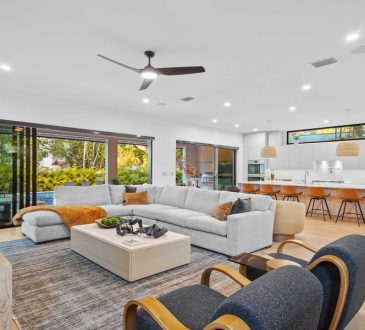
Older homes have a special kind of charm—solid bones, unique trim work, and character you just can’t replicate. But they also tend to come with one common challenge: a smaller, more compartmentalized kitchen that wasn’t designed for how people cook and live today. The good news is you don’t need a massive addition to make an older kitchen feel open, functional, and surprisingly modern.
Here are eight small-kitchen remodel ideas that work exceptionally well in older homes—especially when you want to preserve the home’s character while improving daily usability.
1) Rework the layout before you buy “pretty stuff”
In small kitchens, layout is everything. Before choosing tile or countertop materials, focus on how you move through the space: where you set groceries, where you prep, where traffic bottlenecks happen, and whether appliance doors collide.
In older homes, a few inches can matter more than a full redesign. Shifting a refrigerator, moving a doorway, or replacing a swing door with a pocket door can instantly improve flow. A smart layout upgrade is often the highest-return decision you can make in a small kitchen because it solves problems buyers and homeowners feel immediately.
2) Use “fewer uppers” to create visual breathing room
Many older kitchens have heavy upper cabinet runs that make the room feel tight. One surprisingly effective move is to remove some upper cabinets—especially on a wall that faces an entryway or dining room—and replace them with open shelving, a window, or even just a clean stretch of wall with great lighting.
This works well when you keep uppers where they’re most useful (like near the sink) and eliminate them where they create a boxed-in feeling. The result is a kitchen that looks bigger, brighter, and more intentional—without increasing square footage.
3) Build storage in the “dead zones”
Older homes often have awkward corners, narrow gaps, and odd soffits that waste space. Instead of fighting those quirks, remodel around them with storage that fits precisely.
High-impact examples include:
- A pull-out spice cabinet in a 6–9″ gap
- Tray dividers beside the oven for cutting boards and sheet pans
- Shallow cabinets over the fridge (done neatly, not bulky)
- Toe-kick drawers for rarely used items
When you “harvest” the dead zones, you reduce clutter and free up the limited storage you already have.
4) Choose drawers over doors wherever possible
This is one of the most underrated small-kitchen upgrades. Deep drawers provide easier access than base cabinets with shelves, and they store more efficiently because you’re not stacking items in the back.
In older homes with limited cabinet footprint, swapping lower cabinets for wide drawers can completely change how the kitchen functions. It also feels high-end—buyers associate drawers with modern, thoughtful design.
5) Create a slim “workhorse” island or peninsula
A bulky island can overwhelm a small kitchen, but a slimmer island or peninsula can be a game-changer—especially if it provides prep space, seating, and storage all at once.
If you can’t fit seating, consider a narrow, butcher-block-style worktable island that keeps the space feeling airy. Or add a peninsula that defines the kitchen zone while still allowing traffic to move. For older homes, this also helps bridge the gap between kitchen and dining areas without fully removing walls.
6) Upgrade lighting like it’s a structural change
Older kitchens often suffer from poor lighting—one ceiling fixture and not much else. In a small kitchen, that’s a recipe for shadows and a cramped feel.
A layered lighting plan can make the room feel bigger overnight:
- Recessed lights for overall brightness
- Under-cabinet lighting for clean, functional prep light
- A small pendant or semi-flush fixture for style and warmth
- Dimmers to shift from “task” to “ambient” easily
When the room is evenly lit, it feels larger, cleaner, and more welcoming—no demo required.
7) Use compact appliances strategically (without sacrificing performance)
Older homes sometimes can’t easily accommodate oversized modern appliances, and that’s okay. Today’s compact options can be powerful and space-saving—especially if you plan around them.
Ideas that work well:
- Counter-depth refrigerators to reduce protrusion into walkways
- Slim dishwashers (18″) in tighter layouts
- Combination microwave/hood units to save counter space
- Wall ovens in the right spot to improve workflow
The key is choosing appliances that match how you actually cook, rather than defaulting to the biggest options available.
8) Respect the home’s character, but modernize the function
Small kitchens in older homes look best when they feel “right” for the house. That doesn’t mean you can’t modernize—you just want the updates to feel cohesive.
Consider:
- Simple shaker or inset-style cabinetry that suits the era
- Warm metals (brass, bronze, polished nickel) that complement traditional details
- A classic backsplash layout (like subway tile) with a subtle twist (edge trim, stacked pattern, handmade texture)
- Wood accents that echo existing floors or trim
This is where planning matters. Coordinating finishes, plumbing, electrical, and cabinetry in an older home can get complex, which is why kitchen remodel contracting should be approached with a clear scope, realistic sequencing, and someone who understands how older homes behave behind the walls.
Small kitchens don’t have to feel limiting—especially in older homes where smart design choices can unlock surprising function. The most successful remodels focus on flow, storage, lighting, and proportion first, then let the finishes amplify the transformation. With the right moves, you can keep the charm—and finally get a kitchen that lives like it belongs in the modern day.