

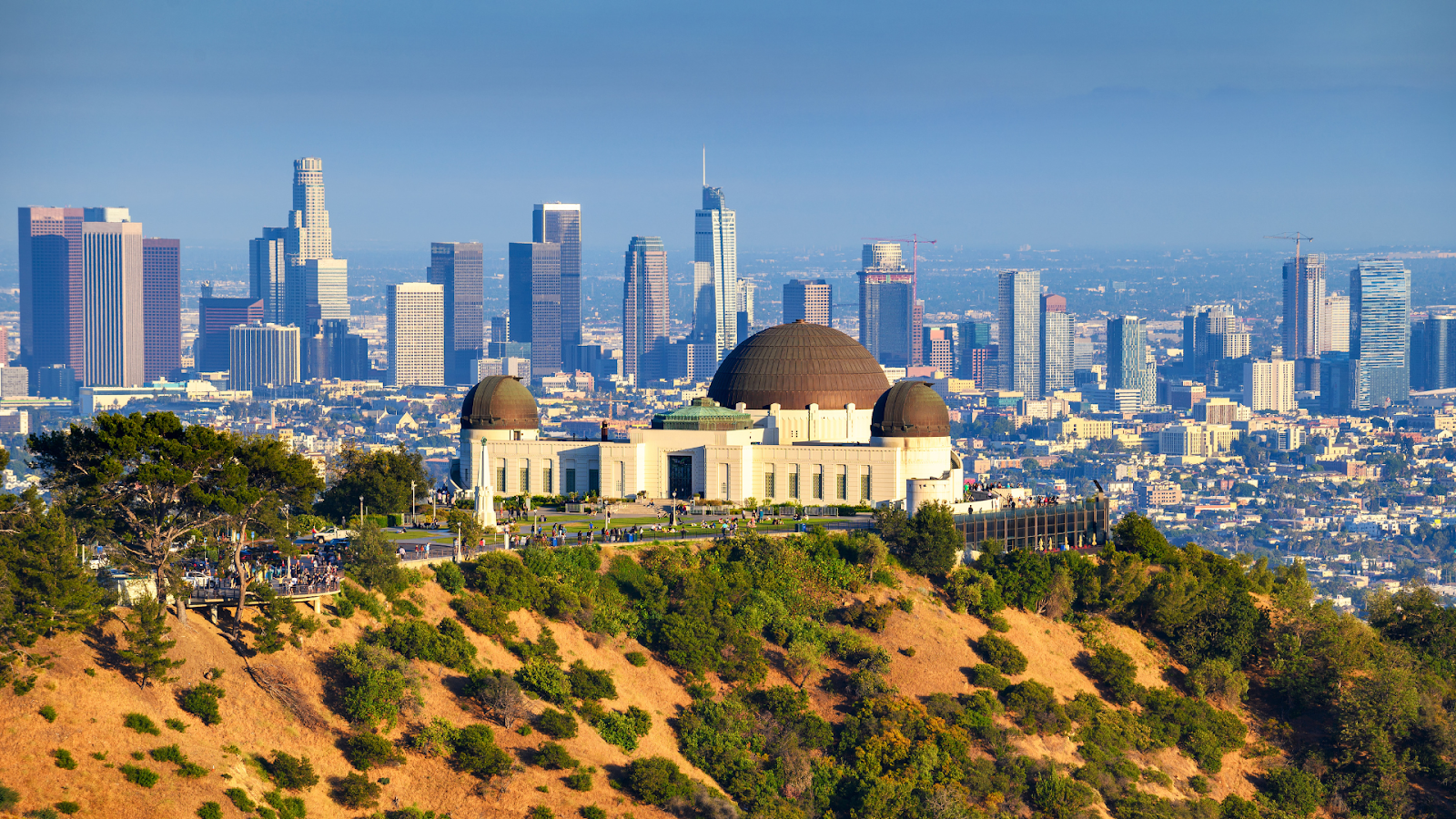
In Los Angeles, art isn’t confined to what’s hanging on a wall or happening on a stage. It’s also in the walk up to the entrance, the way daylight spills across a gallery floor, the hush before a performance, and the moment a city view becomes part of the exhibit. LA’s best cultural buildings don’t just house art—they choreograph how we feel it, understand it, and remember it.
Here are nine cultural buildings that make the case that architecture is never a neutral backdrop. It’s an active collaborator.
1) Walt Disney Concert Hall (Downtown LA)
A concert begins before the first note. Disney Hall turns arrival into anticipation—its sculptural exterior signals “something special,” and inside, the room wraps the audience around the music. The form isn’t just iconic; it’s experiential. You don’t merely listen—you feel surrounded by sound, energy, and collective attention.
2) The Broad (Downtown LA)
The Broad proves that circulation is storytelling. The building makes you move with purpose—compressing, releasing, and guiding you from one moment to the next. Its layout influences pacing: you don’t “browse” the same way you would in a neutral box. The architecture quietly edits your attention, deciding when you’re immersed and when you’re given breath.
3) The Getty Center (Brentwood)
Here, the journey is part of the art. You rise from the city via tram, leaving noise behind and entering a campus designed for clarity and calm. The Getty’s terraces, gardens, and framed views teach a powerful lesson: art appreciation often needs decompression. Space, silence, and light become tools that make looking feel more intentional.
4) The Getty Villa (Pacific Palisades)
The Villa shapes experience through atmosphere. Instead of presenting art as detached objects, it creates a world—courtyards, water, colonnades, and a carefully composed sequence of rooms. Even if you didn’t read a single label, your body would understand the “why”: art tied to place, ritual, and a sense of time.
5) Academy Museum of Motion Pictures (Miracle Mile)
Film is an art of movement and framing, and the Academy Museum echoes that idea architecturally. The building experience encourages shifting perspectives—big gestures and intimate moments, spectacle and focus. It reminds you that cinema isn’t only content on a screen; it’s also the emotional build-up, the communal viewing, and the spatial drama that makes the medium hit harder.
6) MOCA Grand Avenue (Downtown LA)
MOCA’s strength is how it encourages slow looking. Great contemporary art often needs space—literal and mental—because it asks more questions than it answers. The building supports that by creating an environment where you can reset between works. It’s a reminder that gallery design isn’t just about wall length; it’s about attention management.
7) Hammer Museum (Westwood)
The Hammer shows how cultural buildings can feel civic, not intimidating. When museums include welcoming thresholds, social zones, and clear wayfinding, they reduce the “Do I belong here?” friction that keeps people out. The result is a more open relationship with art—one that feels part of everyday life rather than a special-occasion institution.
8) Skirball Cultural Center (Sepulveda Pass)
Few things shape interpretation like context. The Skirball’s architecture leans into landscape and procession, reinforcing the idea that cultural memory is something you move through. Whether you’re engaging with exhibitions, programs, or outdoor spaces, the site design supports reflection—making the experience feel grounded rather than purely gallery-bound.
9) Wallis Annenberg Center for the Performing Arts (Beverly Hills)
Performance venues are empathy machines: they gather strangers into a shared emotional rhythm. The Wallis shows how architecture can heighten that—through intimate gathering spaces, thoughtful transitions, and rooms that feel designed around people rather than just seats. The building helps transform “watching a show” into “being part of an event.”
What these buildings teach us about art
Across museums and performance spaces, the pattern is clear: architecture shapes art experience through a few repeatable moves:
- Pacing: How quickly you encounter work, and how often you get a pause.
- Light: Not just brightness, but softness, shadow, and visual comfort.
- Thresholds: The psychological shift from city mode to art mode.
- Wayfinding: Whether you feel curious or confused while moving through space.
- Community energy: How lobbies, plazas, and courtyards turn art into shared life.
That’s why choosing a cultural architecture firm in LA matters so much for institutions, venues, and civic projects: the goal isn’t only a beautiful building—it’s an environment that amplifies meaning. In Los Angeles, where culture is both global and intensely local, the best buildings prove a simple truth: we don’t just experience art with our eyes and ears. We experience it with our whole body, guided—subtly, constantly—by space.

