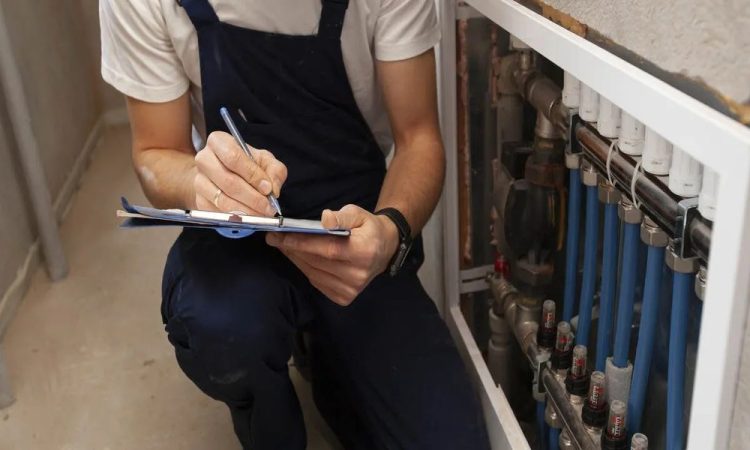
Spring often brings a sense of renewal, but it also reveals hidden issues around your home-especially in your plumbing system. After months of cold weather, pipes, fixtures, and drains may have endured stress that isn’t immediately visible. Ignoring these small warning signs can quickly turn into costly repairs. That’s why following a stress-free Spring plumbing checklist is one of the smartest ways to prepare your home for the warmer months ahead.
By taking a proactive approach, you not only prevent unexpected breakdowns but also improve efficiency, conserve water, and protect your property from long-term damage. Let’s walk through a practical and easy-to-follow guide that ensures your plumbing system is ready for the season.
Why Spring Is the Ideal Time for Plumbing Maintenance
Winter conditions can be harsh on plumbing systems. Freezing temperatures cause pipes to expand and contract, increasing the risk of cracks or leaks. As temperatures rise, these hidden issues begin to surface.
Spring provides the perfect opportunity to assess any damage and address it early. It also aligns with increased water usage as households begin gardening, cleaning, and preparing outdoor spaces. Taking action now helps you avoid disruptions when you need your plumbing the most.
Inspect for Leaks and Hidden Damage
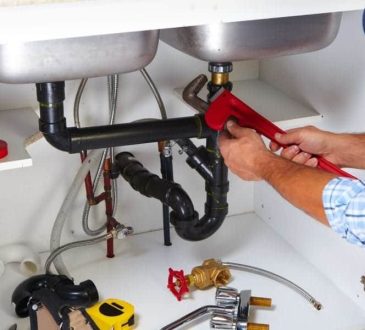
Start by checking all visible pipes, especially under sinks, around toilets, and in basements. Even a small drip can signal a bigger issue developing behind the scenes. Look for signs such as water stains, damp areas, or unusual odors.
Pay close attention to areas that were exposed to cold drafts during winter. Outdoor faucets and hose bibs are particularly vulnerable. If you notice reduced water pressure or pooling water, it may indicate a cracked pipe that needs immediate attention.
Early detection not only saves water but also prevents structural damage that can escalate quickly if left untreated.
Test Your Water Pressure
Water pressure that is too high can strain your plumbing system, while low pressure often signals blockages or leaks. Use a pressure gauge to measure your home’s water pressure and ensure it falls within the recommended range.
If you notice sudden changes, it may be due to mineral buildup, pipe damage, or issues with your main supply line. Addressing this early keeps your system running efficiently and extends the lifespan of your fixtures.
Maintaining balanced water pressure is a key step in any stress-free Spring plumbing checklist, as it directly impacts both performance and durability.
Check Drains for Slow Flow
Over time, drains accumulate debris such as grease, soap residue, and hair. These blockages often go unnoticed until water begins to drain slowly.
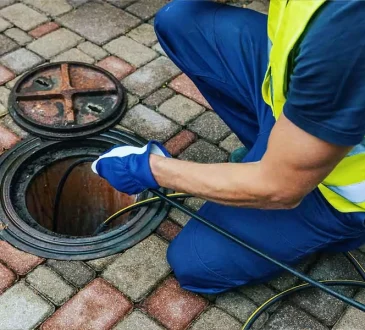
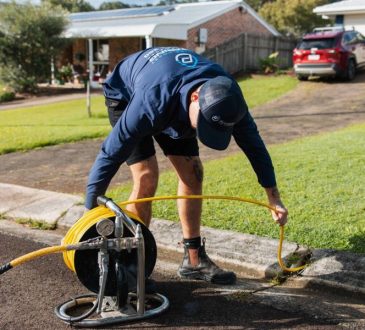
Run water through sinks, showers, and bathtubs to test their flow. If you notice delays or gurgling sounds, it may be time to clean the drains. Avoid harsh chemicals, as they can damage pipes. Instead, consider safer methods or professional cleaning if the issue persists.
Keeping drains clear ensures smooth operation and reduces the risk of backups during heavy usage periods.
Examine Toilets for Efficiency and Leaks
Toilets are one of the most frequently used fixtures in any home, making them a common source of water waste. A simple test involves adding a few drops of food coloring to the tank. If color appears in the bowl without flushing, you likely have a leak.
Check the flushing mechanism to ensure it operates smoothly. Replacing worn-out components such as flappers or seals can significantly improve efficiency and reduce water bills.
Regular inspection helps maintain functionality while conserving water, which is both environmentally and financially beneficial.
Inspect Water Heater Performance
Your water heater works harder during colder months, and spring is the ideal time to assess its condition. Check for signs of rust, unusual noises, or inconsistent water temperatures.
Flushing the tank can help remove sediment buildup that affects efficiency. If your unit is older or showing signs of wear, consider scheduling a professional inspection to evaluate its performance.
A well-maintained water heater ensures a consistent hot water supply and prevents unexpected breakdowns.
Know When to Call a Professional
While many tasks can be handled independently, some issues require expert attention. Persistent leaks, unusual noises, or major pressure changes should not be ignored.
A licensed plumber can conduct a thorough inspection, identify underlying problems, and provide long-term solutions. Investing in professional maintenance ensures your plumbing system operates safely and efficiently.
Conclusion
Spring is more than just a season of fresh starts-it’s an opportunity to protect your home from avoidable plumbing issues. By following a simple yet effective routine, you can catch problems early, improve efficiency, and extend the life of your system.
A well-planned, stress-free Spring plumbing checklist not only saves money but also provides peace of mind. Instead of dealing with unexpected repairs, you can enjoy the season knowing your home is prepared for whatever comes next. Taking action today sets the foundation for a smoother, hassle-free year ahead.