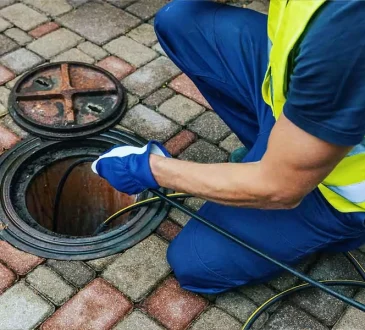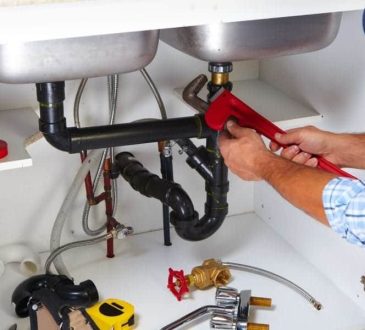
Plumbing problems rarely arrive without warning. They hint first. A drain clears slower than it used to. A faint smell surfaces near the laundry after rain. A patch of lawn stays wet for days after the sprinklers last ran. Gold Coast homeowners tend to notice these things and move on, assuming the issue is minor or temporary. It almost never is. By the time the same drain backs up completely, the cause has been quietly developing for a long time – and the fix required is usually more involved than it would have been months earlier. That gap between early signal and late response is where most drainage problems get expensive. Anyone dealing with blocked drains in Gold Coast properties has more information available to them than they realise, if they know what they are actually looking at.
Lush Lawn Patches Are a Warning
A strip of grass that grows thicker and greener than the surrounding lawn, stays damp well after watering, and appears in no particular relation to a garden bed or tap is not good soil. That is almost certainly a leaking sewer line beneath the surface. Wastewater escaping from a cracked or joint-separated pipe saturates the soil above it and feeds the grass growing over the failure point. Homeowners adjust irrigation schedules, blame the soil, and occasionally call a landscaper. The pipe continues leaking. The ground above it softens further until the trench eventually collapses inward. Spotting this pattern early and treating it as a drainage issue rather than a gardening one makes an enormous practical difference.
Gurgling Comes from Somewhere Else
When a drain gurgles after water goes down elsewhere in the house, the instinct is to inspect the drain that is making the noise. That drain is not where the problem is. Gurgling happens when moving wastewater displaces air in a partially restricted pipe, and that air pushes backwards through the nearest open water trap. The noise surfaces at the closest drain. The restriction causing it is downstream, often a considerable distance away. Clearing the gurgling drain does nothing because the gurgling drain is not blocked. This is why drainage issues that seem to move around the house – present at the kitchen sink one week, the bathroom the next – are usually a single downstream restriction expressing itself through whichever trap offers least resistance.
Sewer Smell Is Not About Dry Traps
Running water down a smelly drain fixes the problem temporarily when the P-trap beneath it has dried out. Everyone knows this. What most people do not know is that a full P-trap can still allow sewer gas into a room when a partial blockage downstream is building enough back pressure to push gas past the water seal. The smell returns within hours of running the tap because the trap is not dry – it is being overwhelmed by pressurised gas from a restricted line. Treating it as a dry trap problem and running more water solves nothing. The restriction needs to be found and cleared before the smell resolves permanently.
Jetting Clears the Blockage, Not the Cause
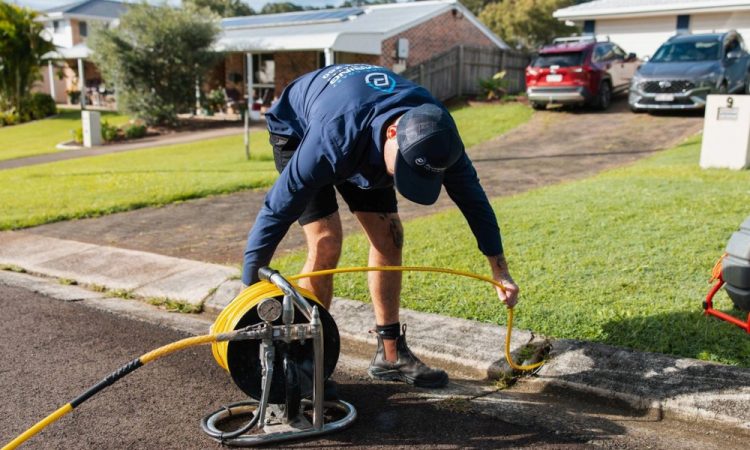
High-pressure water jetting shifts grease, soap scum, and soft organic build-up efficiently. Against an established root mass it is largely ineffective beyond temporary disruption. Roots growing inside a pipe will recover within weeks of being blasted with water. The flow is restored at the time of service, the drain seems fine, and then the blockage returns on a predictable cycle. Blocked drains that clear easily and return quickly are almost always telling the same story – root intrusion that was disrupted rather than treated. The only lasting response is mechanical root cutting followed by either pipe relining or excavation to seal the entry point.
Canal Estates Have a Specific Ageing Problem
Properties built on Gold Coast canals sit in a tidal zone where groundwater carries a salt load that inland suburbs do not experience. Older pipe materials – concrete and clay laid before PVC became standard – corrode from the inside in this environment. The pipe does not collapse suddenly. It spalls. Small fragments break away from the interior surface and drift to low points in the line, building gradual restrictions that create slow drains long before they create a full blockage. Blocked drains in Gold Coast canal properties that clear temporarily and return steadily often have this progressive internal deterioration at the root of it. Jetting buys time. It does not stop the spalling.
Conclusion
Most recurring drainage problems on the Gold Coast share a common thread – they were treated at the symptom rather than the source. Slow drains, gurgling, persistent smell, and grass that grows suspiciously well in one patch are all carrying specific information about what is happening underground. Reading those signals correctly and matching the response to the actual cause is what turns a repeating expense into a resolved problem. For anyone dealing with blocked drains in Gold Coast properties, proper diagnosis before clearing work is the step that separates a lasting fix from a temporary one. Homeowners who insist on that step tend to deal with drainage far less often than those who simply restore flow and hope for the best.