Hardie Board Siding Installation in Passaic County NJ: Styles, Colors, and Maintenance Tips

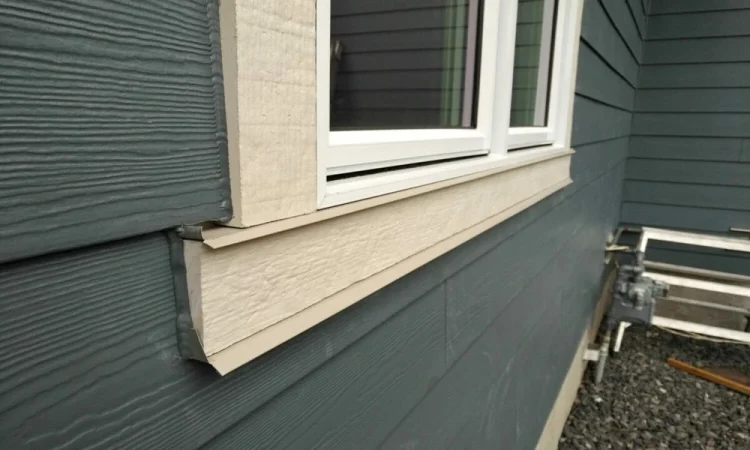
Choosing the right siding can make a major difference in your home’s appearance, protection, and long-term maintenance needs. For homeowners in Passaic County, fiber cement siding is an attractive option because it combines a clean exterior finish with dependable performance against changing weather conditions.
Hardie board siding can complement many types of homes, from traditional properties to more modern designs. With several siding profiles, textures, and color choices available, homeowners have plenty of flexibility when planning an exterior renovation. Understanding the available styles and knowing how to maintain the siding properly can also help protect your investment for years to come.
Popular Hardie Board Siding Styles for New Jersey Homes
The siding style you choose can dramatically influence your home’s overall appearance. Instead of selecting a design based only on current trends, consider your home’s architecture, roof color, trim, windows, and surrounding exterior features.
Horizontal Lap Siding
Horizontal lap siding is one of the most recognizable exterior siding styles. The overlapping boards create clean horizontal lines that work well with many traditional and contemporary homes.
Homeowners often choose this style because it provides a familiar appearance while allowing plenty of flexibility with trim and accent colors. Different board widths can also be used to create either a subtle or more noticeable exterior design.
Board and Batten Siding
Board and batten siding uses vertical lines to create a taller and more distinctive appearance. It is commonly associated with farmhouse-inspired homes, although it can also provide an attractive contrast on modern properties.
Homeowners do not necessarily need to install board and batten across the entire exterior. It can be used on sections such as front-facing gables to create visual interest while maintaining horizontal siding throughout the rest of the house.
Shingle-Style Siding
Shingle-style siding can add texture and architectural character to selected areas of a home. It works particularly well when homeowners want to emphasize gables, upper levels, or decorative exterior sections.
Combining siding profiles should be done carefully. Too many different textures can make an exterior look unnecessarily busy. A balanced combination usually creates a cleaner result.
Choosing Hardie Board Siding Colors
Color selection is about more than choosing a shade that looks appealing on a small sample. Exterior colors can appear different depending on natural light, landscaping, roofing materials, and surrounding architectural features.
Homeowners planning hardie board siding installation in passaic county nj should consider the complete exterior color palette before making a final decision.
Neutral Exterior Colors
Neutral colors remain popular because they are flexible and easy to coordinate with different trim and roofing styles. Common choices include:
- Soft gray
- Warm beige
- Cream
- Light brown
- Off-white
- Charcoal
Neutral siding can also make it easier to introduce stronger colors through the front door, shutters, or other exterior accents.
Darker Siding Colors
Darker shades can create a modern and sophisticated appearance. Deep gray, charcoal, and other rich tones can provide strong contrast when paired with lighter trim.
Before selecting a darker shade, look at larger color samples outdoors. A color that appears subtle indoors may look significantly different in direct sunlight.
Coordinating Siding With Exterior Features
Your siding does not need to match every element of your exterior. Instead, the colors should complement each other.
Consider how the siding will look alongside:
- Roof shingles
- Window frames
- Exterior doors
- Garage doors
- Stone or brick features
- Gutters
- Fascia and trim
Planning these elements together can create a more cohesive exterior.
Why Professional Installation Matters
Even high-quality siding materials can perform poorly when installation is rushed or completed incorrectly. Proper preparation, fastening, spacing, flashing, and moisture management are important parts of the installation process.
Homeowners researching hardie board siding installation in morris county nj or nearby North Jersey communities should evaluate contractors based on installation experience rather than choosing a company based on price alone.
Inspect the Existing Exterior First
Before new siding is installed, the existing exterior should be evaluated for damage. Covering moisture problems, deteriorated materials, or structural concerns with new siding does not solve the underlying issue.
A proper inspection helps identify areas that may need repair before installation begins.
Pay Attention to Water Management
Siding is only one part of an exterior moisture-management system. Flashing around windows, doors, roof intersections, and other openings needs careful attention.
Poorly managed water can eventually affect areas behind the siding, even when the visible exterior appears fine.
Hardie Board Siding Maintenance Tips
Hardie board siding is often selected by homeowners looking for an exterior material that does not require constant attention. However, low maintenance does not mean no maintenance.
A basic inspection and cleaning routine can help keep the exterior looking its best.
Clean the Siding Periodically
Dirt, dust, pollen, and environmental buildup can gradually collect on exterior surfaces. Periodic cleaning can help maintain the siding’s appearance.
Use cleaning methods appropriate for fiber cement siding, and avoid aggressive techniques that could damage the finish.
Inspect Caulked Areas
Pay attention to areas around windows, doors, trim, and other exterior openings. Caulk can deteriorate over time due to weather exposure and normal movement.
Damaged or failing sealant should be addressed before water has an opportunity to enter vulnerable areas.
Check for Exterior Damage
Walk around your property occasionally and look for:
- Cracked or damaged boards
- Loose siding
- Deteriorated trim
- Gaps around exterior openings
- Damaged flashing
- Peeling or worn finishes
Finding minor exterior problems early can make repairs easier and help prevent more significant issues.
Keep Vegetation Away From the Siding
Trees, shrubs, and climbing plants should not constantly rub against exterior siding. Branches can scratch surfaces, while dense vegetation can trap moisture and debris near the home.
Regular landscaping maintenance can help maintain adequate airflow around the exterior.
Planning Your Hardie Board Siding Project
Before starting a siding replacement project, consider more than just the siding color. Think about how the complete exterior will look once the work is finished.
Review siding profiles, trim styles, roof colors, doors, windows, and architectural details together. If you are combining horizontal siding, vertical boards, or shingle-style accents, make sure each element contributes to a consistent design.
It is also important to ask potential installers how they prepare the exterior, handle flashing, manage moisture, and complete finishing details. A detailed installation plan can be just as important as selecting the siding itself.
Final Thoughts on Hardie Board Siding in Passaic County
Hardie board siding can give New Jersey homeowners plenty of flexibility when updating their exterior. Horizontal lap siding can provide a classic appearance, board and batten can add vertical definition, and shingle-style accents can introduce additional texture.
The best results come from combining thoughtful design decisions with proper installation and routine maintenance. Choose colors based on your home’s complete exterior palette, inspect the property before installation, and continue checking the siding after the project is complete.
With careful planning, your siding project can improve curb appeal while creating a cleaner, more durable exterior that fits the character of your home.