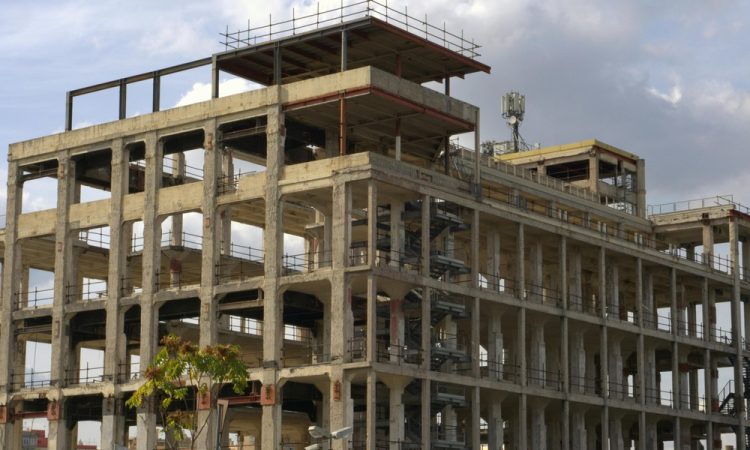
The most sustainable building is the one that already exists. In an era where environmental impact and urban density are at the forefront of development discussions, adaptive reuse has emerged as a powerhouse strategy in the property world. Rather than clearing a site and starting from scratch, developers are looking at the “bones” of aging structures-warehouses, decommissioned schools, and even windowless silos-and seeing untapped potential.
This shift isn’t just about nostalgia; it is driven by the unique character, central locations, and structural resilience that older buildings often provide. When a skilled commercial construction company takes on an adaptive reuse project, they aren’t just renovating; they are performing a complex architectural “upcycling” that breathes new life into the urban fabric.
Here are six innovative ways adaptive reuse is being utilized in today’s commercial real estate market.
1. Industrial-to-Creative Office Conversions
The “brick and beam” aesthetic has become the gold standard for modern tech and creative firms. Historic warehouses and manufacturing plants offer high ceilings, open floor plans, and expansive windows that are difficult and expensive to replicate in new builds.
By keeping the exposed steel trusses and original masonry, developers can create a workspace that feels authentic and inspiring. These projects often include the integration of modern mezzanine levels to maximize square footage without expanding the building’s footprint, providing a blend of historic grit and contemporary utility that attracts top-tier talent.
2. Micro-Housing in Former Office Towers
With the rise of remote work leaving many traditional office buildings underutilized, a new trend has emerged: converting “Class B” and “Class C” office space into residential units. Because these buildings often have deep floor plates, they are perfectly suited for “micro-housing” or studio-heavy apartment complexes.
The innovation lies in how these spaces are divided. Since light only reaches the perimeter, the “core” of the building is often repurposed into extensive communal amenities-think indoor fitness tracks, coworking lounges, and cinema rooms. This solves two problems at once: it addresses the housing shortage and revitalizes downtown business districts that are seeing lower daytime foot traffic.
3. “Ghost Kitchens” and Food Halls in Decommissioned Retail
The retail landscape has shifted dramatically, leaving behind large “big box” vacancies. Instead of letting these massive shells sit empty, developers are turning them into culinary hubs.
Innovative adaptive reuse projects are transforming department stores into multi-vendor food halls or “ghost kitchens”-facilities designed solely for delivery-based restaurant brands. This use requires heavy-duty upgrades to plumbing, ventilation, and grease traps, but the existing loading docks and high-capacity electrical systems of former retail giants provide a significant head start over new construction.
4. Educational Centers in Repurposed Civic Buildings
As cities evolve, old post offices, banks, and municipal buildings often lose their original function. However, their central locations and “institutional” durability make them ideal candidates for charter schools, community colleges, or vocational training centers.
The high-security vaults of an old bank can become secure record rooms or unique study pods, while the grand lobbies serve as impressive assembly halls. This type of reuse keeps essential services in the heart of the community, ensuring that historic landmarks remain public assets rather than being shuttered and forgotten.
5. Urban Life Science Labs from Low-Rise Manufacturing
The demand for biotech and life science space is skyrocketing, but these facilities require incredibly specific structural capabilities, such as high floor-loading capacities and significant ceiling heights for complex HVAC and filtration systems.
Old heavy-manufacturing plants are often the perfect fit. Their “over-engineered” concrete slabs can support the weight of heavy lab equipment and sensitive vibrations, which would require massive reinforcement in a standard office building. By repurposing these industrial shells, biotech companies can move into urban centers closer to research universities and hospitals much faster than if they waited for a ground-up build.
6. Hospitality and Boutique Hotels in “Odd” Structures
Perhaps the most creative sector of adaptive reuse is the hospitality industry. Travelers are increasingly seeking “experiences” over cookie-cutter hotel rooms. This has led to the conversion of everything from grain silos and old prisons to fire stations and clock towers into luxury boutique hotels.
These projects require a high degree of architectural ingenuity to fit modern plumbing and guest comforts into non-traditional shapes. However, the result is a one-of-a-kind destination that commands a premium price point. The history of the building becomes the primary marketing tool, offering guests a story to tell along with their stay.
Beyond the aesthetic appeal, adaptive reuse is a critical tool for sustainable development. According to the Brookings Institution, it can take between 10 and 80 years for a new, energy-efficient building to overcome the negative climate impacts created during the construction process. By reusing the “embodied carbon” already present in existing steel and concrete, we significantly reduce the environmental toll of expansion.
Furthermore, these projects often qualify for historic tax credits and other municipal incentives, making them financially viable even in challenging markets. While the path of adaptive reuse is rarely a straight line-often uncovering “hidden” challenges behind old walls-the result is a more diverse, resilient, and character-rich commercial landscape. For the modern developer, the past is no longer a hurdle; it is a foundation.