Can Batt Insulation Improve Fire Resistance? What to Know
In residential construction, thermal efficiency is often the central focus when choosing insulation. However, in regions like South Florida—where both extreme weather and fire risk can converge—another critical factor emerges: fire resistance. Among various insulation types available, batt insulation is not only a cost-effective option but also plays a noteworthy role in slowing the spread of flames during a fire event.
This article explores how batt insulation contributes to fire resistance, what materials offer the best performance, and why installation quality and building design also matter. We’ll also examine the specific relevance of these issues in South Florida’s residential homes and attic structures.
Understanding Batt Insulation and Its Fire-Resistant Properties
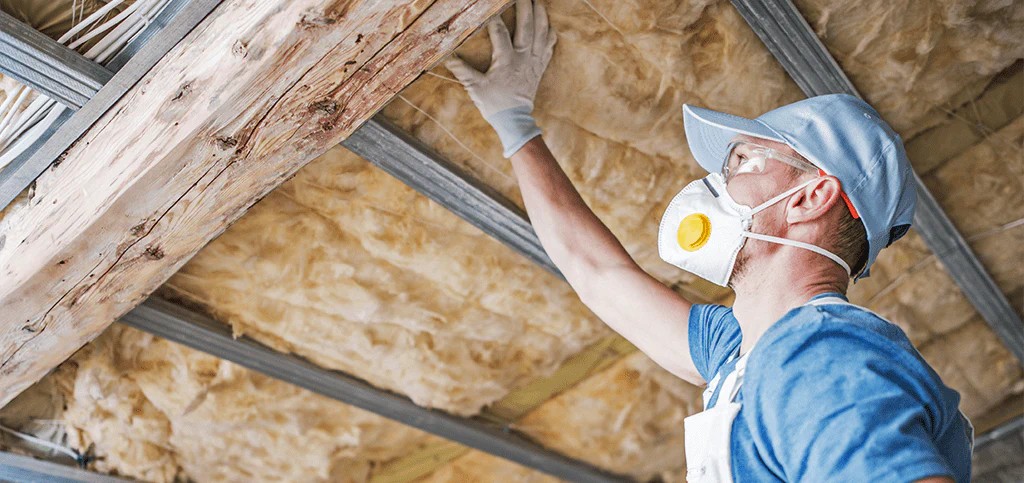
Batt insulation typically comes in pre-cut panels or rolls made of fiberglass, mineral wool, or cotton. These materials differ in composition and thermal performance, but when it comes to fire resistance, mineral wool and fiberglass tend to outperform alternatives due to their higher melting points and non-combustible properties.
Fiberglass, for example, is made primarily from sand and recycled glass. It does not ignite easily and can withstand temperatures above 1,000°F. Mineral wool, manufactured from rock or slag, is even more resistant to fire and may endure heat up to 2,000°F. Both materials are often used in fire-rated wall assemblies to help compartmentalize flames and slow heat transfer between rooms or floors.
The Role of Proper Installation in Fire Safety
Fire resistance is not determined by material alone. The effectiveness of batt insulation also depends on how it’s installed. Gaps, compression, or voids in application can allow heat and smoke to bypass the insulation entirely. In attics, especially, it’s vital to achieve continuous coverage across joists, cavities, and around obstructions like ducts and recessed lighting.
In South Florida, where attic spaces may double as ventilation zones or HVAC routing areas, a sloppy install can significantly compromise both thermal and fire performance. Attic Fanatics, a regional provider of attic insulation solutions, stresses the importance of expert evaluation before any insulation project. Their technicians assess ventilation, air leaks, and attic structure to ensure that batt insulation does more than just regulate indoor temperature—it also enhances passive fire resistance.
Evaluating Batt Insulation in the Context of Building Codes
Most building codes in the United States—including those adopted throughout Florida—specify minimum fire safety requirements for wall assemblies and attic insulation. Fiberglass and mineral wool batts often carry Class A fire ratings, meaning they resist flame spread and contribute minimally to combustion.
However, fire resistance ratings assume proper integration into a building system. A wall or ceiling must be sealed correctly, and penetrations (e.g., for wiring or piping) must be treated with fire-rated sealants or collars. Insulation alone is only one layer in a larger fire protection strategy. In this regard, homeowners should not rely solely on material specifications but should consider the installation context and design of the entire assembly.
When Fire Resistance Is Especially Critical
While all homes benefit from better fire resistance, the need becomes more urgent in older properties with outdated electrical systems, attics with wood-frame construction, or homes located near wildland areas. Even in urban parts of South Florida, lightning storms and overheating HVAC components have been known to ignite attic fires.
Properly installed batt insulation may provide additional minutes of protection in these scenarios. These minutes can make a life-saving difference by slowing down the spread of fire long enough for occupants to evacuate or firefighters to respond. While insulation cannot extinguish flames, its ability to resist ignition and delay heat transfer is a valuable part of any passive fire mitigation plan.
Environmental and Health Considerations
Fire resistance is closely tied to health concerns, too. Materials like fiberglass and mineral wool not only withstand high temperatures, they also emit significantly fewer toxic fumes when exposed to fire compared to foam-based or cellulose products. This becomes particularly relevant in enclosed attic spaces where smoke and gases can quickly build up and migrate into living areas.
South Florida’s hot and humid climate also increases the importance of insulation that resists both mold and combustion. Poor-quality or improperly sealed insulation may trap moisture, accelerating decay and introducing fire hazards over time. A comprehensive approach to insulation, ventilation, and air sealing—as practiced by Attic Fanatics—helps mitigate both thermal inefficiency and fire risk simultaneously.
Final Thoughts: A Practical Layer of Passive Protection
Fire resistance in the home is not a one-step solution. It involves careful planning, proper material choice, and professional installation. In that context, batt insulation offers a compelling balance of affordability, thermal performance, and resistance to heat and flame.
When installed by trained specialists who understand South Florida’s unique challenges, batt insulation becomes more than just a way to reduce electric bills. It acts as a passive fire-safety measure—quietly protecting the structural integrity of the home and offering precious time in emergencies.