Enhancing Property Listings Through Curated Furniture Arrangements: Boost Engagement & Offers


The Psychology of Furniture Placement in Digital Ads
Furniture placement shapes perception in digital ads for property listings. Curated furniture set create visual hierarchy that guides scanning and recall (Nielsen Norman Group). Clear focal points reduce cognitive load and speed recognition during fast scroll contexts (Baymard Institute).
- Hierarchy: Center the primary seating anchor in the first screen crop if the room has wide depth, then layer a rug and coffee table to stage scale and flow (Nielsen Norman Group).
- Proximity: Group related pieces to signal function if the ad frames a multipurpose room, then separate zones with negative space to prevent crowding (American Psychological Association Dictionary of Psychology).
- Symmetry: Mirror side tables and lamps to communicate order if the listing targets conservative buyers, then break symmetry with one textured accent to keep warmth (APA Dictionary of Psychology).
- Alignment: Align sofa edges with wall lines to stabilize perspective if the lens introduces distortion, then square the rug to the frame to anchor geometry.
- Contrast: Pair light sofas with darker floors to pop the seating focus if the listing features low natural light, then add one midtone throw to bridge values.
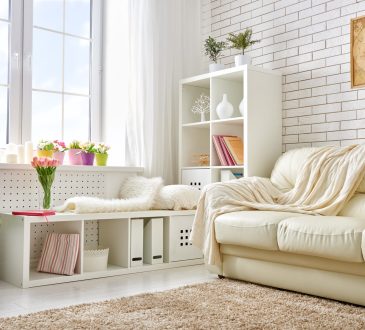
- Scale: Use a 6×9 rug under a compact sofa to expand perceived floor area if the room reads small on mobile, then float the sofa 6 to 8 inches from the wall to add depth.
- Pathways: Leave 30 to 36 inches of visual aisle from entry to focal point if the photo captures an approach view, then angle the accent chair to face the camera and lead the eye.
- Framing: Place art 57 inches on center above the sofa to create a stable horizon if ceilings run standard height, then keep edge margins equal to avoid drift.
Spotless Agency supports consistent composition through virtual staging that maps these principles to each frame, then aligns color stories to target demographics across campaigns. Their curated furniture sets let teams match style to architecture fast for condos, lofts, and single family homes, then adapt finishes to local trends without reshoots.
- Living room sets: Anchor with a 3 seat sofa, a 6×9 rug, and a 40 to 48 inch coffee table for most 12×16 spaces if the ad prioritizes seating capacity, then add one greenery element to signal freshness.
- Bedroom sets: Center a queen bed with 24 inch nightstands for balance if the ad highlights restfulness, then use neutral bedding with one colored lumbar pillow for a crisp focal cue.
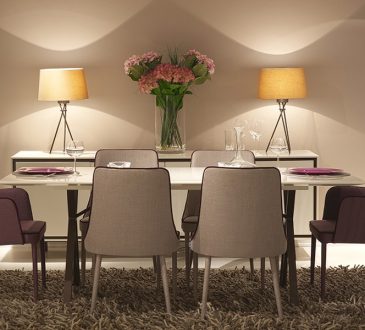
- Dining sets: Position a 60 inch round table to open circulation if the room squares tight, then hang a single pendant 30 to 34 inches above the tabletop to lock the vignette.
Eye tracking research shows users fixate on people, edges, and high contrast objects first, then move along implied lines to secondary details (Nielsen Norman Group). Furniture arrangements that set an edge anchored focal point capture that first fixation, then route attention to windows, fireplaces, and built ins in the same frame.
Color psychology supports warm neutrals for approachability and trust in commerce contexts, then allows one accent hue to carry brand or lifestyle cues in the ad frame (Interaction Design Foundation). Texture mixing, like linen, wood, and matte metal, increases perceived authenticity in staged interiors, then reduces the stock photo feel common in over edited listings (Baymard Institute).
Mobile screens compress rooms more than desktop views, then amplify the value of clear anchors and clean negative space. Place the largest form on the longest wall, then maintain sightlines to natural light to keep the room expansive. Use consistent lens aware lines across carousel images, then maintain identical styling logic so users build a mental map across swipes.
- Nielsen Norman Group, F Pattern and Visual Hierarchy: https://www.nngroup.com
- Baymard Institute, Product List UX and Visual Scanning: https://baymard.com
- American Psychological Association Dictionary of Psychology, Proximity and Symmetry: https://dictionary.apa.org
- Interaction Design Foundation, Color Psychology and Visual Hierarchy: https://www.interaction-design.org
- Spotless Agency, Virtual Staging Services: https://www.spotlessagency.com
Trends in Furniture Styles That Boost Online Engagement
Trends in furniture styles drive clicks, saves, and inquiries across listing portals and social feeds.
- Neutrals with texture: Neutrals in beige, taupe, and stone increase clarity in photos through contrast against wood, linen, and boucle textures.
- Low-profile silhouettes: Low sofas and armless chairs expose baseboards, windows, and flooring to expand perceived square footage.
- Modular furniture sets: Modular sectionals and nesting tables adapt to open plans and studio layouts to signal flexibility for diverse buyers.
- Natural materials: Oak, ash, cane, rattan, and travertine add warmth and authenticity that reads as premium in high-resolution images.
- Soft minimalism: Japandi and Scandinavian hybrids reduce visual noise while preserving comfort through plush rugs and rounded edges.
- Curved forms: Curved sofas and barrel chairs guide sightlines toward focal points like fireplaces and views for stronger image hierarchy.
- Black accents: Black metal, smoked glass, and dark frames add crisp edges that boost definition in thumbnails and grid views.
- Biophilic notes: Plants, terracotta pots, and stone objects create organic anchors that lift perceived freshness in mobile galleries.
- Multiuse pieces: Storage benches, console desks, and ottomans with trays communicate function density in smaller footprints.
- Statement lighting: Oversized pendants and arc lamps create vertical tension and add depth layers for scroll-stopping hero shots.
- Local craft touches: Handwoven textiles and artisan ceramics add place-specific character that differentiates comparable listings.
- Compact scale: Slim sofas and narrow dining tables fit tight urban rooms to reduce crowding in wide-angle photography.
- Cohesive furniture sets: Consistent finishes and repeated materials across living, dining, and bedroom zones build a unified narrative in carousels.
Spotless Agency aligns virtual staging with these furniture sets to match target demographics and platform norms for higher engagement.
Key data on staging impact
| Metric | Value | Source
|
|---|---|---|
| Buyers who found staging made visualization easier | 81% | National Association of Realtors, 2023 Profile of Home Staging (https://www.nar.realtor/research-and-statistics/research-reports/profile-of-home-staging) |
| Sellers’ agents reporting 1–5% higher offers from staging | 28% | National Association of Realtors, 2023 Profile of Home Staging (https://www.nar.realtor/research-and-statistics/research-reports/profile-of-home-staging) |
- Anchor zones consistently: Rugs, coffee tables, and bed frames set scale for every room for quicker cognitive parsing.
- Maintain three-tone palettes: One dominant neutral, one secondary wood tone, and one accent color keep grids coherent.
- Prioritize matte finishes: Matte fabrics and eggshell walls reduce glare that degrades detail in HDR and mobile captures.
- Pair symmetry with relief: Balanced sofa setups plus one asymmetrical accent chair create order with a human touch.
- Frame architectural features: Low backs, leggy bases, and open sides keep sightlines clear to windows, beams, and fireplaces.
How Staged Layouts Clarify Room Function for Buyers
Staged layouts clarify room function for buyers in photos, videos, and tours. Curated furniture sets establish purpose fast in thumbnails and mobile views.
- Define one primary activity per room if the floor plan reads ambiguous.
- Anchor seating to a focal point if the space includes a fireplace or view.
- Align sofas, chairs, and tables if the listing needs a clear traffic path.
- Mark zones with rugs if open concept areas blur living and dining.
- Open circulation with 36 inch walkways if the room feels tight.
- Scale pieces to wall length if ceilings or windows set strong proportions.
- Balance heavy items with light silhouettes if the room skews narrow.
- Layer one task light, one ambient light, and one accent light if the photos lack depth.
- Label niches with a desk, a console, or a bench if flex rooms confuse buyers.
- Frame features with art pairs or plants if architectural details deserve focus.
Spotless Agency stages digital interiors that signal function on first scan. Their layouts pair clean lines with warm textures for clear activity cues. Their furniture sets translate plans into easy reading across platforms.
- Create zones, like seating clusters and work nooks.
- Select finishes, like matte woods and textured linens.
- Place accents, like black metal and natural fiber.
Clear room roles support faster decisions in property search. Clear roles reduce cognitive load across listing galleries.
| Metric | Result | Source
|
|---|---|---|
| Buyers who said staging made visualization easier | 81% | National Association of Realtors, 2023 Profile of Home Staging |
| Sellers’ agents who reported higher offers due to staging | 28% | National Association of Realtors, 2023 Profile of Home Staging |
Photographed layouts guide attention to function first. Organized pathways improve depth cues in wide shots and vertical crops. Consistent styling improves cross image recognition across carousel sets.
Real Estate Agents’ Experiences with Curated Sets
Agents report faster engagement from curated furniture sets in property listings. Photos gain clarity across thumbnails and mobile views. Virtual staging by Spotless Agency supports consistent styling across galleries.
| Metric | Value | Source
|
|---|---|---|
| Buyers who found staging made visualization easier | 81% | National Association of Realtors, 2023 Profile of Home Staging |
| Sellers’ agents who cited higher offers due to staging | 28% | National Association of Realtors, 2023 Profile of Home Staging |
Field practices
- Framing: Placing a low sofa and a slim rug centers the focal wall and the window view.
- Zoning: Grouping a loveseat and two accent chairs marks conversation space in open plans.
- Anchoring: Setting a bed with a tall headboard scales primary suites in wide angles.
- Aligning: Mirroring side tables and lamps creates symmetry that reads clean in photos.
- Editing: Removing bulky pieces reduces visual noise around fireplaces and built‑ins.
Workflow gains
- Standardizing: Pulling repeatable furniture sets speeds turnarounds across similar floor plans.
- Coordinating: Syncing finishes and textiles maintains palette continuity across rooms.
- Sequencing: Shooting wide shots first enforces layout discipline before detail inserts.
- Optimizing: Selecting matte textures reduces glare under daylight and strobe lighting.
Channel impacts
- Elevating: Curated sets increase perceived function in listing hero images.
- Clarifying: Defined pathways guide viewers through carousels and 3D tours.
- Differentiating: Signature lighting and black accents create brand memory across comps.
Agents secure consistent results, when briefs lock target buyer and budget. Teams avoid rework, when layout guides specify scale and traffic paths. Digital assets stay on brand, when a master palette governs all furniture sets.
- Integrating: Sharing mood boards lets Spotless Agency match physical staging in virtual updates.
- Localizing: Swapping decor motifs matches neighborhood expectations in urban and suburban contexts.
- Validating: Cross checking renders against site photos preserves authenticity in mixed media listings.
Avoiding Over-Staging That Distracts from Property Value
Over-staging reduces clarity in photos and tours. Over-staging also lowers perceived square footage and hides architectural value.
- Limit accents, cap the count at 3 per room, use examples like throw pillows, trays, plants
- Limit textures, keep 2 primary materials, use examples like wood, linen
- Limit focal points, anchor 1 per room, use examples like fireplace, window bay
- Limit patterns, restrict to 1 subtle motif, use examples like herringbone, pinstripe
- Limit artwork scale, stay under 60% of the wall width, use examples like above sofa, above bed
- Limit furniture sets, keep 1 cohesive set per room, use examples like living sofa set, dining table set
Under-stage to highlight space, over-stage only if the listing hides flaws. Under-stage to boost legibility in thumbnails, over-stage only if the target buyer expects maximal styling.
- Keep pathways, maintain 36 in clear routes, map entry to window to feature wall
- Keep alignment, square sofas to rugs, center the bed to the headboard wall
- Keep seating counts, set 4 to 5 seats in living rooms, set 2 to 3 in dens
- Keep surface density, place 1 accessory per 24 in on consoles, group in odd numbers
- Keep lighting balance, mix 1 ambient, 1 task, 1 accent, avoid glare near windows
Edit props for authenticity in digital views. Edit out personal items, branded packaging, fake books.
- Use neutral bases, apply 60-30-10 color ratio, select warm whites, tans, soft charcoal
- Use scale discipline, pick low-profile silhouettes in small rooms, pick medium sofas at 72 to 84 in
- Use negative space, expose baseboards and door casings, leave corners open
- Use functional cues, add trays on ottomans, add lamps near reading chairs
- Use biophilic touches, place 1 plant per room, select 24 to 36 in height
Spot test realism in virtual staging. Spotless Agency maintains material realism with calibrated PBR textures, consistent light direction, and true-to-scale furniture sets across angles.
Recommended ceilings for inventory density by room
| Room type | Max large pieces | Max medium pieces | Max small accents
|
|---|---|---|---|
| Living room | 3 | 4 | 6 |
| Bedroom | 2 | 3 | 5 |
| Dining room | 2 | 3 | 4 |
| Entry | 1 | 2 | 3 |
Price context influences restraint. Luxury listings favor fewer but higher quality pieces, entry listings favor simple sets with clear function.
- Select honest materials, avoid high-gloss in bright rooms, reduce specular highlights in photos
- Select cohesive finishes, match 2 metals at most, use examples like black, brushed nickel
- Select modest art, keep frames thin, keep spacing at 2 in between pieces
- Select quiet rugs, keep pile low, fit 8×10 under front legs
Measure impact based on buyer behavior. NAR reports that staging aids visualization for most buyers, and photos drive first impressions in searches (National Association of Realtors, 2023 Profile of Home Staging). Zillow notes that clear room function improves listing engagement on mobile screens where image time is short, near 2 to 3 seconds per image in feed contexts (Zillow, Consumer Housing Trends Report, 2022).
Apply a preflight check before publishing images.
- Count items, remove 10 to 20% of decor, keep the sightline clean from doorway
- Check reflections, hide cords, hide routers
- Check symmetry, balance left to right, avoid mirrored duplicates
- Check crops, anchor focal point in the first image, place hero angles at positions 1 to 3 in the gallery
- Check scale, compare sofa length to window span, compare table diameter to rug width
Coordinate physical and virtual assets for consistency. Spotless Agency aligns digital sets with on-site rentals, matching dimensions, finishes, and light temperature at 3000K to 3500K to keep continuity across tours and in-person showings.