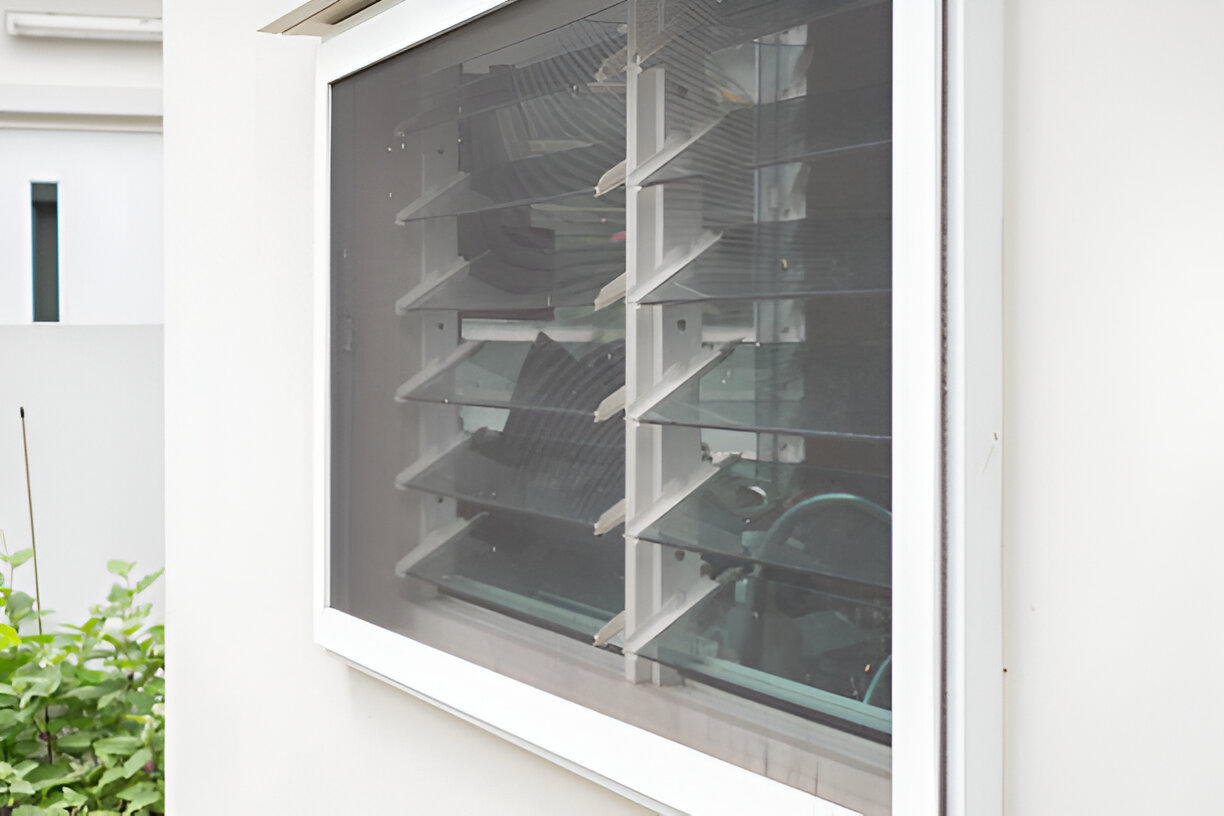
Getting the most from your fly screen depends on choosing the proper mesh, which is essential for keeping insects out and allowing fresh air in. Not every mesh is made equal; what works flawlessly for a kitchen could not be the ideal choice for a patio door or an office window. Knowing the several possibilities at hand will help you to make a better, more durable decision.
Premier Screens Ltd is a reputable company for UK companies and homeowners. They provide a great range of mesh and fly screens designed for both home and business settings. They have the range and knowledge to assist you choose what best suits your demands, whether you need something tough for high-traffic areas or ultra-fine mesh for little insects.
Consider its purpose
Consider first where and how the screen will be utilized before getting into material possibilities. Since the demands for different settings vary, it is vital to fit the mesh suitable to the application. For instance, while outdoor patios may desire something more robust that still provides excellent airflow, commercial kitchens benefit from tightly woven mesh that keeps away even the tiniest flies.
Know Your Mesh Materials
Mesh is available in several materials, all with distinct merits:
- Fiberglass mesh: It offers excellent visibility and airflow, is rust resistant and cheap. Perfect for basic household purposes.
- Aluminium mesh: It is stronger than fiberglass and therefore ideal for high-traffic places or environments where durability counts most and resistant to damage.
- Stainless steel mesh: It is a top selection that withstands warmth, rust, and corrosion. Ideal for places with rigorous hygiene requirements or business settings.
- Polyester mesh: Designed to resist claws and abrasion, polyester or pet mesh is perfect for households with cats or dogs who tend to scratch at screens.
Fly screens may incorporate any material, but your particular needs for strength, look, and bug control will determine the best fit.

Consider Mesh Aperture and Weave
The diameter of the holes on the screen is called the mesh aperture. When you want to catch midges or fruit flies, you should use a finer type of mesh, usually known as midge or fine insect mesh.
Remember that smaller meshes might somewhat limit airflow and visibility – it is all about finding a balance. Airflow could take front stage in humid or stuffy surroundings. In areas with especially terrible pest problems, the closest weave may be non-negotiable.
Consider Visibility and Aesthetics
From a distance some meshes are almost undetectable, perfectly blending into your windows or doors. Look for ultra-fine or black-coated mesh that lowers glare and enhances visibility if you wish to preserve a clear view or want something that does not conflict with the decor of your home or workplace.
Maintenance and Durability
Outdoor fly screens face UV rays, weather, and wind. This can slowly degrade less expensive mesh. Stainless steel or UV-resistant plastic protects your screen from corrosion and helps it stay stronger for a longer period. Go for something convenient to take care of, as certain cleaning stuff is easier to clean in areas that have oil or dust, like the kitchen.
Final Thoughts
Although selecting the proper mesh could seems challenging but it greatly affects comfort and performance. Given the abundance of possibilities, it is worthwhile to spend some time matching your demands with the appropriate fabric and weave. The correct mesh will improve the performance, longevity, and appearance of your fly screens.