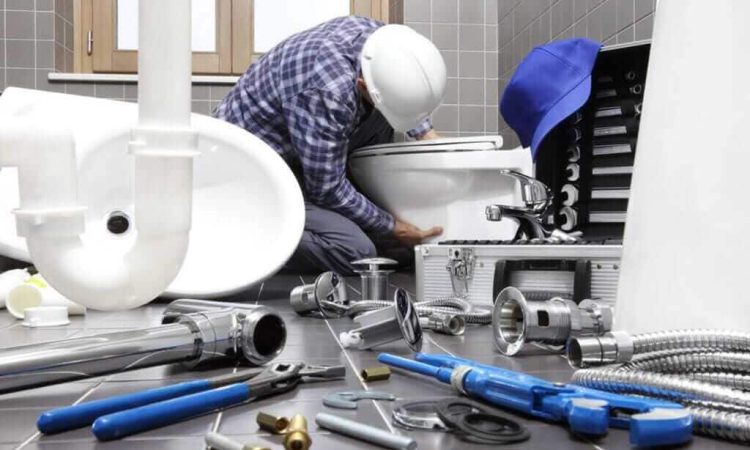
Preference often dictates a plumber’s specialization, and several factors can influence this decision. One key reason is their background training, as individuals gravitate toward areas they are familiar with. Over time, people become accustomed to the type of work they regularly perform, further shaping their specialization within the plumbing industry.
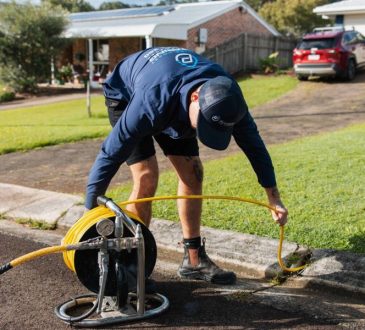
Over time, as plumbers gain more knowledge and experience, working on small plumbing repairs can become increasingly attractive to some professionals. This is often because of the variety of work environments and the constant change of scenery that comes with moving quickly from one job site to another.
Some plumbers prefer the stability provided by long-term contracts, as they offer extended employment over several months. This arrangement can give a plumber greater job security and predictability compared to shorter-term opportunities.
Small Plumbing Jobs: Maintenance & Repairs
Classifying stopcock replacement as a small plumbing job still requires a certain skill level for successful completion. Typically, a plumber can finish this type of work comfortably within two hours, which leaves them extra time during the day to carry out another small plumbing task on the same day.
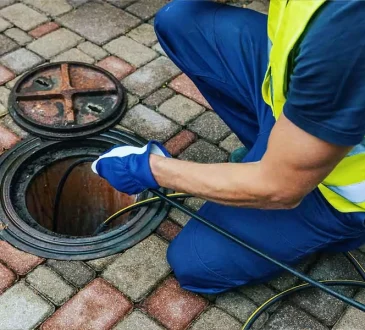
This service benefits people who have difficulty finding a plumber willing to take on smaller tasks. Plumbers that do this type of work help to maintenance daily operation of your home.
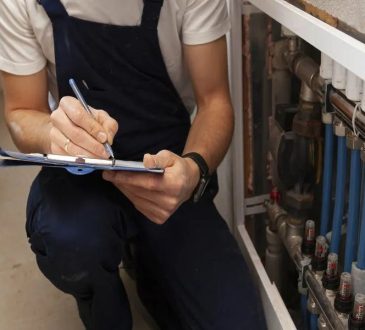
A boiler repair is typically classified as a small plumbing repair, but it demands a diverse set of skills. One particularly important quality in this line of work is patience. Developing expertise often involves trial and error, which requires a calm demeanour and the ability to remain composed under pressure when things don’t go as planned. It’s important to note that not all plumbers are willing or prepared to navigate these challenges.
Renovations & Large Plumbing Installations: Is This Your Forte?
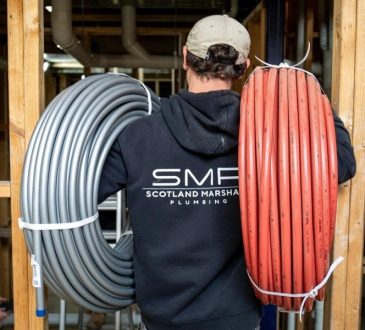
A large plumbing project can vary in complexity based on the plumber’s specific responsibilities. The process can include interpreting design plans and sourcing suitable materials. Math plays a crucial role in plumbing, especially on larger projects, ensuring accuracy and effectiveness when completed.
It is essential to note that plumbers are required to complete installations within specific time frames. Deadlines govern each stage of a project, which ensures that subsequent trades personnel can begin their work as scheduled. This coordination helps maintain the overall progress and efficiency of the construction process.
Plumbers who handle both hands-on tasks and management responsibilities typically possess a well-suited personality for the job. They often show strong communication and people skills, creativity, and a commitment to seeing projects through to completion. These qualities are essential for effectively managing both technical work and client relationships in the plumbing industry.
Conclusion
Whether a plumber focuses on small repairs or takes on larger projects, both roles are equally important in the industry. After completing a major plumbing project, maintenance will eventually be necessary. Ultimately, the best for any plumber is to specialize in an area that matches their personality and strengths. When you’re passionate about your work, it becomes more than just earning a pay cheque—it turns into a pursuit for excellence.