Late summer evenings in Riverside often bring more spider sightings. Webs start appearing in garage corners around Arlington and La Sierra, patio furniture near Canyon Crest collects fresh strands overnight, and homeowners close to Fairmount Park occasionally spot a spider in the bathtub or laundry room and wonder whether it’s something to worry about. Most aren’t. A few deserve a closer look, and that’s where spider control and prevention begins, not with spraying every web you see, but with knowing which spiders belong outdoors and which ones deserve closer attention.
Riverside’s warm climate, irrigated yards, and mix of older and newer homes provide plenty of spider species with places to live. Some stay outdoors and help reduce insect populations. Others are better kept away from living spaces. That’s one reason many homeowners turn to a local pest professional like Akela Pest Control. Correctly identifying a spider isn’t always easy when it disappears behind a storage box or into a dark corner of the garage.
The Spiders Worth Paying Attention To
Only a few spiders found around Riverside homes raise safety concerns.
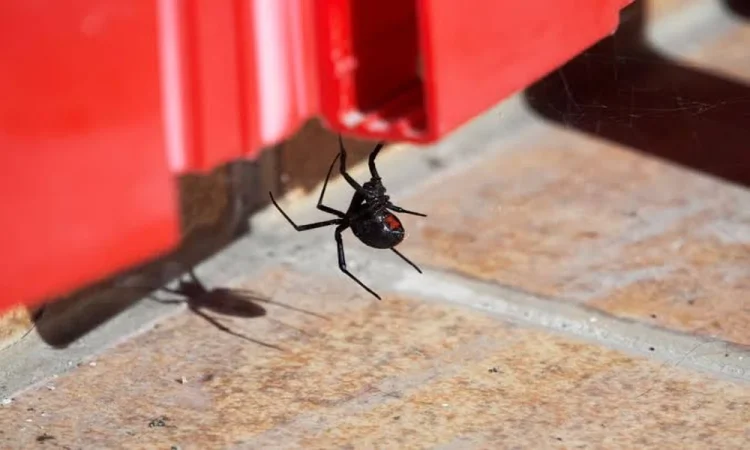
- Black widows. Black widows prefer quiet places that people rarely disturb. Firewood stacks, utility boxes, the underside of patio furniture, sheds, and cluttered garages make suitable hiding spots. Adult females are glossy black with the familiar red hourglass marking underneath the abdomen. They usually stay hidden, and most bites happen when someone accidentally reaches into the space where the spider is resting.
- Brown recluses. Brown recluses receive a lot of attention, but they’re less common in Southern California than many people think. When they do appear, they’re often associated with belongings moved from other regions or with long-neglected storage areas. Their violin-shaped marking isn’t always easy to see, which explains why harmless brown spiders are frequently mistaken for recluses.
The Spiders You’re More Likely to See
Most spiders found around Riverside homes fall into this group. They may look alarming, but they rarely create problems for people.
- Wolf spiders. Large, fast-moving, and covered with short hair, wolf spiders hunt instead of spinning webs to catch prey. Their size can be startling, yet they generally avoid people.
- Cellar spiders. Their long, thin legs make them easy to recognize. They’re often found in garages, storage rooms, and other undisturbed spaces, where they quietly feed on small insects and even other spiders.
- Garden orb-weavers. These spiders build the large circular webs that appear across porches, shrubs, and outdoor lighting. By morning, the web may already be gone, only to be rebuilt the following evening. They help reduce flying insects such as moths and mosquitoes.
Recognizing harmless species also has value. Removing every spider you see doesn’t always improve the situation, especially when many of them are already feeding on insects that homeowners would rather not have around.
Why Spider Activity Changes During the Year
Spider activity around Riverside shifts with the seasons. During the hottest part of the year, many spiders remain outside where insects are plentiful. As temperatures begin to cool, it’s more common to notice them inside garages, closets, attics, and storage areas where conditions stay more stable.
Location also plays a part. Homes beside open fields, undeveloped land, or agricultural areas, including parts of Eastvale and Norco, often experience more spider activity simply because there are larger outdoor populations nearby. Some eventually find their way indoors through gaps around doors, vents, or utility openings.
That’s where experience helps. A spider that looks intimidating at first glance may turn out to be a harmless species that wandered inside by accident. On the other hand, finding several black widows around outdoor storage areas can point to conditions that deserve attention before the population grows.
Building a Prevention Routine That Works
Spider problems are usually easier to prevent than to eliminate.
- Seal gaps around doors, windows, foundation openings, and utility lines to reduce entry points.
- Keep garages, sheds, and storage areas organized. Less clutter means fewer protected hiding places for spiders.
- Limit outdoor lighting when practical or switch to bulbs that attract fewer insects, since spiders often settle where food is plentiful.
- Trim shrubs, vines, and tree branches away from exterior walls and windows to reduce easy access to the house.
Most spiders around Riverside are more unsettling than dangerous. Knowing which species deserve attention takes much of the uncertainty out of an unexpected sighting. If you’re unsure what you’ve found or begin seeing spiders regularly in the same areas, a professional inspection can quickly determine whether it’s an isolated visitor or a problem that’s starting to develop.