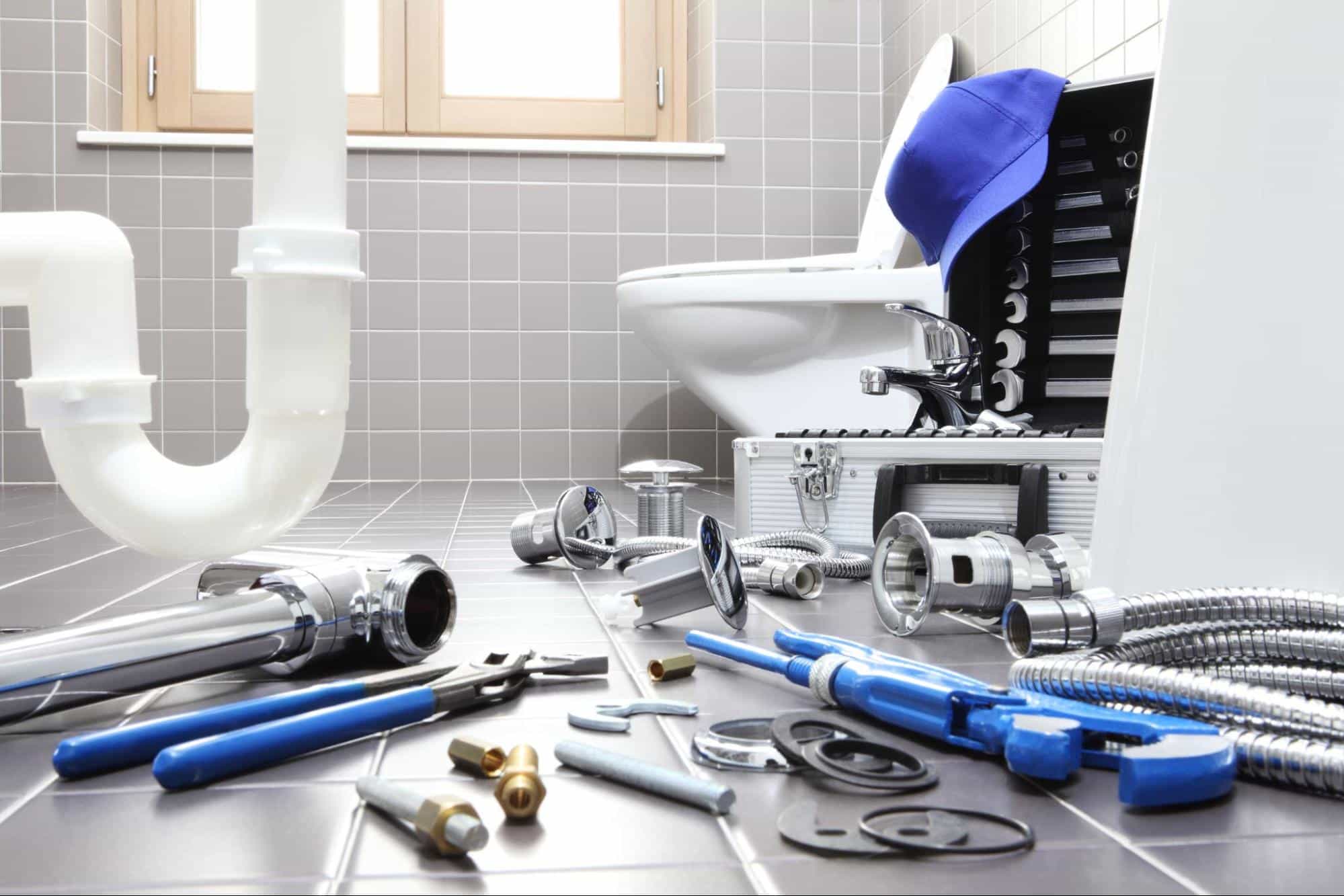
Plumbing issues can be frustrating, especially if you’re tackling them yourself. While DIY plumbing projects can save money, they can also lead to mistakes that result in costly repairs if not done properly. Knowing common plumbing mistakes and how to avoid them is essential for maintaining your home’s plumbing system. If you’re unsure about any project, it’s always a good idea to reach out to a professional Plumber Riverside for expert advice and assistance. Below are some of the most common mistakes homeowners make and tips on how to avoid them.
1. Ignoring Leaks
One of the most common mistakes homeowners make is ignoring small leaks. A small drip from a faucet or pipe may seem insignificant, but over time, it can waste a lot of water and cause damage to your home. If you notice a leak, don’t wait for it to get worse as soon as possible. Even a slow leak can lead to mold growth and damage to walls, floors, and ceilings. The best way to prevent this is by regularly inspecting your plumbing for leaks and repairing them immediately to avoid long-term damage.
2. Using Chemical Drain Cleaners
Many people turn to chemical drain cleaners as a quick solution to clogged drains. However, these chemicals can damage pipes, especially older ones, and cause more harm than good. They can also lead to dangerous fumes or skin irritation. Instead, opt for natural drain-cleaning methods, such as using a plunger, a drain snake, or a mixture of baking soda and vinegar to clear clogs. If the clog persists, it’s best to call a Plumber Riverside to professionally handle the issue without damaging your pipes.
3. Overtightening Fittings
Overtightening plumbing fittings is another common mistake, particularly when dealing with faucets, pipes, or showerheads. While it’s tempting to tighten things as much as possible to prevent leaks, overtightening can cause threads to strip, cracks in the fittings, and damage to the plumbing system. Instead, tighten connections just enough to form a secure seal. If you’re unsure of the correct amount of torque, it’s better to stop short than to overtighten and risk damaging the fixture.
4. Improper Pipe Insulation
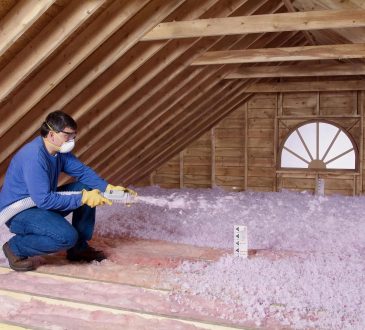
Pipe insulation is crucial for preventing freezing pipes, especially in colder climates. However, many homeowners fail to properly insulate their pipes or use the wrong materials. If you live in an area where temperatures dip below freezing, it’s essential to insulate exposed pipes properly to prevent them from bursting. Additionally, avoid using cheap or inappropriate materials, as they may not effectively protect pipes from the cold. If you’re unsure about insulation materials or techniques, consult a professional plumber for advice.
5. Not Shutting Off the Water Supply
Before starting any plumbing repair, it’s essential to turn off the water supply to prevent leaks, flooding, or water damage. Many DIYers forget to shut off the main water supply or are unsure where it’s located. Always locate your home’s main water shutoff valve before starting any plumbing work. If you’re working on a specific fixture, such as a sink or toilet, make sure you turn off the local shutoff valve to the affected area.