Key Takeaways
- Kitchen tops deal with heat and chemicals, while table tops deal with impact and edge contact.
- Fabrication choices protect sintered stone edges differently for furniture and built-in surfaces.
- Thickness and backing matter more than material alone when choosing the right application.
Introduction
Sintered stone has gained strong traction in Singapore for both kitchens and dining furniture. Manufacturers promote it as durable, heat-resistant, and low-maintenance. Because the surface looks identical across applications, many homeowners assume a sintered stone table top and a sintered stone kitchen top perform the same way in daily use. This assumption causes problems later. The material remains consistent, but the forces acting on it change depending on where it sits. A kitchen surface faces heat, chemicals, and fixed installation. A dining table faces impact, movement, and exposed edges. Understanding these differences helps homeowners choose the right fabrication instead of relying on material claims alone.
1. Heat Exposure in Kitchens Versus Dining Areas
A kitchen surface experiences concentrated heat. Hot cookware, induction zones, and warm appliances place direct thermal stress on the slab. A sintered stone kitchen top handles this well because the manufacturing process already subjects the material to extreme heat. When a pot lands directly on the surface, the stone remains stable.
A dining table encounters heat less aggressively. Plates and serving dishes carry warmth, not sustained high temperatures. In this setting, heat resistance acts as protection rather than a daily requirement. The surface benefits from thermal tolerance, but heat does not define its performance. Other stresses take priority in furniture use.
2. Impact and Edge Contact
Sintered stone resists scratches, but edges remain the most sensitive area. Kitchens usually mitigate this risk through design. Cabinet support runs underneath the slab. Fabricators soften corners or reinforce edges to absorb contact from cookware and utensils.
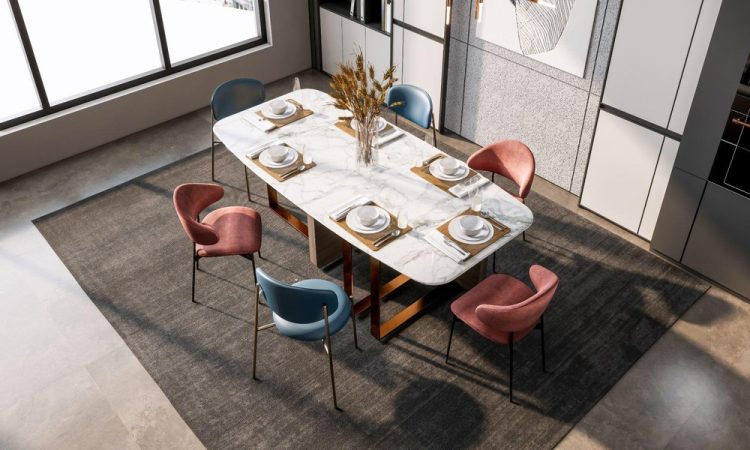
A sintered stone table top does not enjoy the same protection. The slab stands free, supported only at connection points with the base. Chairs, cleaning tools, and moving objects strike the table edges directly. Slim profiles increase this exposure. Small impacts that would not affect a countertop can chip a table edge if the fabrication does not account for movement and contact.
3. Chemical Contact Versus Surface Friction
Kitchen use introduces frequent chemical exposure. Citrus juice, oils, vinegar, and cleaning agents contact the surface daily. Sintered stone in Singapore performs well here because it absorbs almost nothing. Liquids stay on the surface and clean away without staining or etching.
Dining tables encounter fewer chemicals but more friction. Plates slide. Laptops shift. Decorative objects move daily. This repeated contact places stress on the surface finish rather than the material body. Scratch resistance becomes more important than chemical resistance in this context. A properly finished sintered stone table top maintains its appearance despite constant movement.
4. Structural Support and Slab Thickness
Support defines durability more than hardness. Kitchen tops usually sit on full cabinet runs. This structure spreads weight evenly across the slab. Fabricators can use thicker profiles because cabinets conceal edges and joints.
Dining tables rely on different engineering. Thinner slabs create a lighter visual profile, but they need backing. Many table tops use reinforcement layers such as honeycomb panels or wood substrates. These layers distribute weight and reduce stress when someone leans on the surface or places heavy items near the edge. Without proper backing, even a strong stone can crack under uneven pressure.
5. Installation Versus Mobility
Kitchen surfaces remain fixed after installation. Movement stops once the slab locks into place. Maintenance focuses on joints, seams, and hygiene.
A sintered stone table top moves throughout its life. People reposition it. Floors shift. Bases loosen. Weight concentrates at the connection points between the stone and the frame. Furniture joints carry stress that kitchen cabinets never experience. Regular inspection of fixings and frames matters more than surface care in this setting.
Conclusion
Sintered stone in Singapore performs well in both kitchens and dining rooms, but performance depends on context. A kitchen top benefits from thickness, cabinet support, and resistance to heat and chemicals. A table top relies on edge treatment, backing structure, and frame stability to withstand daily use. Treating these applications as interchangeable creates avoidable damage. Matching fabrication methods to actual use ensures sintered stone surfaces remain functional and visually intact for years.
Contact Stone Loft to compare sintered stone kitchen tops and dining tables side by side and choose a solution designed for how you actually use your space.