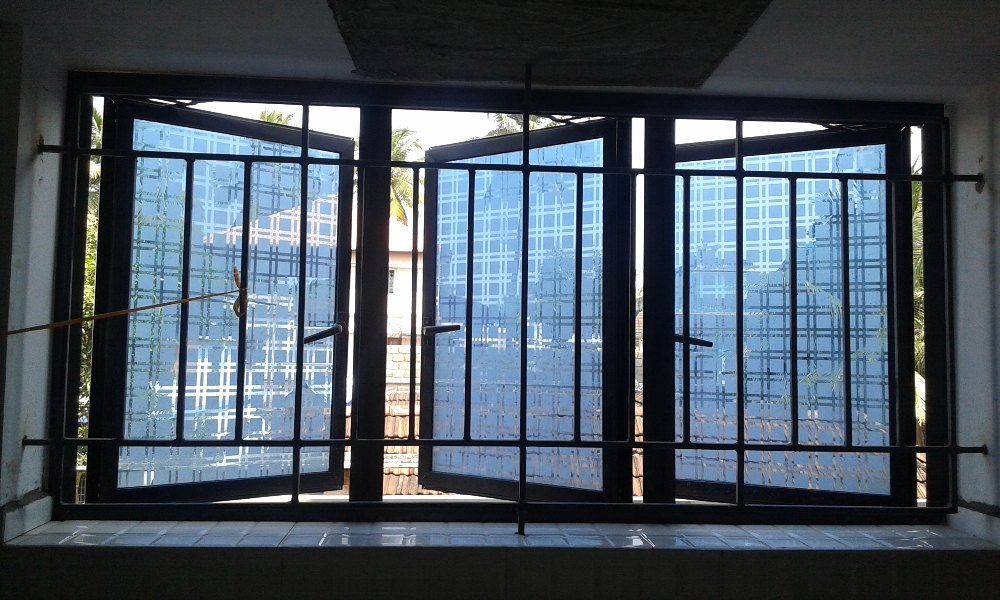
Because of their architectural or cultural legacy, heritage buildings need to be carefully restored to maintain their beauty while bringing their performance up to date. Heritage-style window frames have undergone a considerable transformation thanks to thermal break technology used in aluminium windows, all without sacrificing their visual individuality. Aluminium provides structural strength, minimal maintenance, and design adaptability, whereas steel or timber frames were employed in traditional window systems. However, in areas where heat control is necessary, pure aluminum’s strong conductivity is a disadvantage.
By keeping the frame from turning into a thermal bridge, thermal break technology used in aluminium window systems increases thermal efficiency. Low heat conductivity materials such as polyamide, polyurethane that or resin-based composites inserts are used to accomplish this. By carefully integrating these materials into the frame, it is separated into thermally segregated outer and inner components. As a result, the frame conducts heat less and the temperature of the inside space is more steadily maintained.
A synthetic polymer called polyamide works quite well for window frame thermal breaks. Glass fibres are frequently used to strengthen it in order to preserve its structural integrity. Heritage aluminium windows with thermal break systems may satisfy strict thermal performance requirements, such U-values, which lowers energy use and improves occupant comfort. Modern powder-coating technology provide custom colours or textures, while advanced production procedures enable the recreation of period-specific details. With developments in vacuum-insulated barriers, aerogels, and nanostructured materials to improve insulation, the understanding of thermal breaks is always changing. The integrity of the building fabric is preserved and dimensional correctness is guaranteed by careful planning in installation procedures. An efficient material for breaking down thermally is polyamide, a polymer made from designed for outstanding strength and low heat conductivity. Glass fibres are frequently used to strengthen it in order to guarantee structural integrity.
Heritage aluminium windows with thermal break technology may preserve the visual language of historic structures while increasing comfort, lowering condensation, and increasing energy efficiency. This creative method may be subtly integrated into window frames that are consistent with heritage, guaranteeing that performance enhancements won’t detract from authenticity. Infrared break aluminium windows provide a sustainable option for historic buildings as environmental regulations become more stringent.