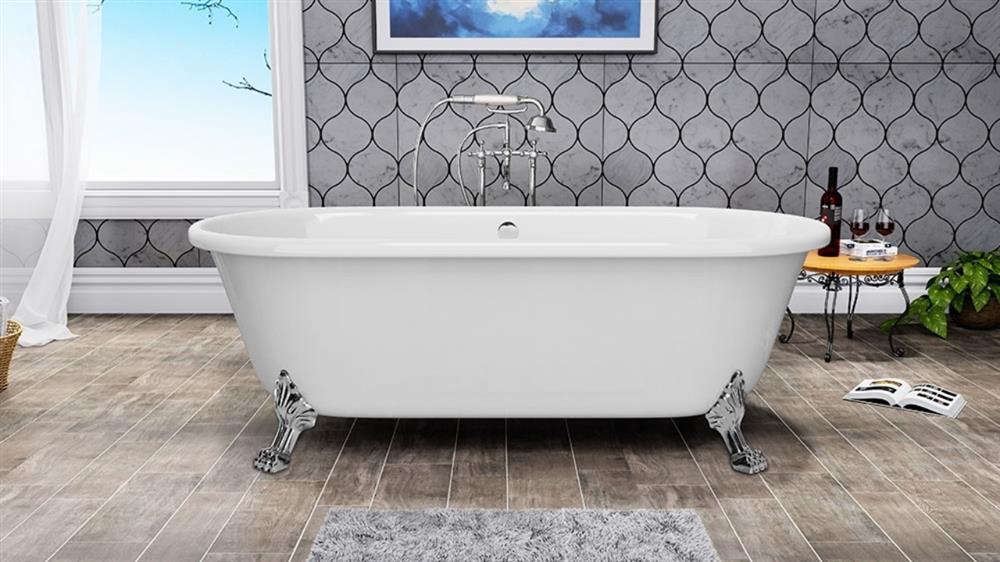
When designing a luxurious bathroom, one of the most striking features is a well-crafted freestanding bathtub. These tubs aren’t just about function—they’re statement pieces that elevate the overall look and feel of the space. But beyond the aesthetics, the material of the bathtub plays a critical role in both its durability and the comfort it offers. Choosing the right material ensures your tub remains a long-lasting centerpiece of relaxation.
Let’s explore the top materials used in premium freestanding bathtubs and how they contribute to both luxury and lifespan.
1. Acrylic: Lightweight and Versatile
Acrylic is one of the most popular materials for modern freestanding tubs. It is durable, non-porous, and lightweight, making it easier to install. Acrylic retains heat well and is smooth to the touch, providing a warm and comfortable soak. It also comes in a wide range of shapes and sizes, ideal for both minimalist and ornate designs. However, it may scratch more easily than some other materials, though surface damage can often be buffed out.
2. Cast Iron: Classic Strength and Heat Retention
For a vintage, high-end look, cast iron is a timeless choice. These tubs are coated in enamel and are known for exceptional heat retention and resistance to chipping. While they are incredibly durable, cast iron tubs are extremely heavy, which might require reinforced flooring during installation. Their weight also makes them more stable and less prone to shifting over time.
3. Solid Surface: Sleek and Contemporary
Solid surface materials are a blend of resins and natural minerals that create a smooth, matte finish. They are increasingly popular for contemporary freestanding bathtubs from Vascadesign.com due to their seamless appearance and luxurious feel. These tubs are warm to the touch, easy to clean, and highly resistant to stains and scratches. They also allow for bold, sculptural shapes that appeal to modern tastes.
4. Stone Resin: Natural Appeal with Modern Performance
Stone resin tubs mimic the beauty of natural stone while offering enhanced performance. They are solid, durable, and naturally retain heat for longer baths. Their smooth, non-porous surface resists mold and mildew, making them hygienic and easy to maintain. Stone resin is also more affordable and lighter than carved natural stone, giving homeowners a luxurious feel without the structural challenges.
5. Copper: Artisan Elegance and Antibacterial Properties
For those seeking a rustic or vintage touch, copper freestanding tubs offer artisanal beauty. They age gracefully, developing a rich patina over time. Copper is naturally antibacterial and retains heat very well. These tubs are generally handcrafted, making each piece unique. However, they require regular maintenance to keep their surface finish intact and avoid tarnishing.
6. Natural Stone: Ultimate Luxury and Unmatched Presence
Marble, granite, and other natural stones are used in ultra-luxury bathrooms. These bathtubs are carved from a single block of stone, making each one a work of art. The material exudes elegance and permanence. However, natural stone is porous and heavy, requiring professional sealing and reinforced support. Their durability is unmatched, but so is their price tag.
Choosing the Right Material for You
Selecting the best material depends on your lifestyle, aesthetic preferences, and budget. If you’re looking for modern elegance with minimal maintenance, solid surface and stone resin are top contenders. For traditional grandeur, cast iron or copper may be your ideal match. And for those seeking the ultimate showpiece, a natural stone tub stands unmatched in luxury.