I have reviewed many approaches to long term planning for associations, and one thing stands out. Most boards understand the basics, but very few treat reserve studies as an active system that guides decisions. That gap leads to surprise costs and tension inside the community.
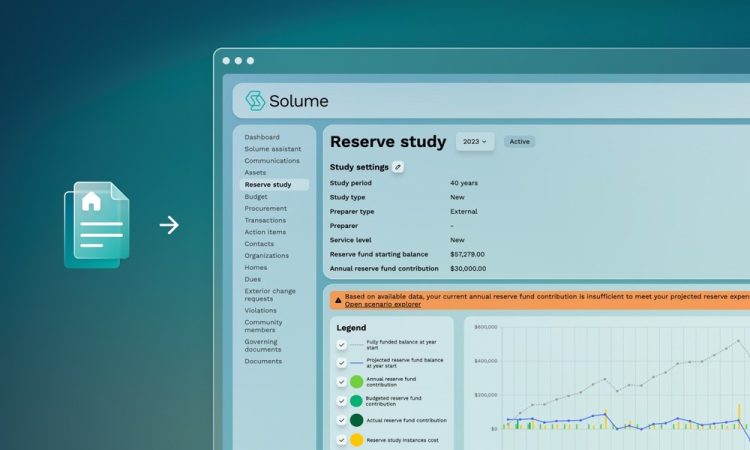
If you want a practical way to handle this, I suggest starting with a clear understanding of how a modern system works. A good reference point is this Reserve Study for HOA, which shows how planning can move from static reports to a live process.
I will walk you through how to think about reserve studies, what actually matters, and how to approach them in a way that gives you control.
Why a Reserve Study Matters More Than Most Boards Think
You already know a reserve study is about planning future repairs. What I want you to focus on is what happens when that plan is wrong or outdated.
When a reserve study is treated as a document that gets updated every few years, it slowly loses accuracy. Costs change. Assets wear faster or slower than expected. Vendor pricing shifts.
That is where problems begin.
You end up reacting instead of planning. That is when special assessments appear, and those are hard conversations with residents.
A strong reserve study should do three things:
- Give clear timing for repairs and replacements
- Show realistic cost projections
- Help you avoid sudden financial gaps
If it fails at any of those, it is not doing its job.
The Biggest Mistake I See Boards Make
The most common mistake is relying on static reports.
I have seen boards approve a reserve study, file it away, and then revisit it years later. By that point, it no longer reflects reality.
You cannot manage long term assets with a fixed snapshot. You need something that adapts as conditions change.
That is where newer systems stand out. They treat reserve planning as a continuous process, not a one time task.
What a Strong Reserve Study Should Include
If you want to evaluate your current setup or build a better one, focus on these elements.
Accurate asset tracking
Every shared component in your community should be listed and monitored. That includes roofing, elevators, plumbing systems, and common areas.
Real cost data
Estimates should reflect current pricing, not outdated assumptions. This is where many studies fall short.
Clear timelines
You should know not only what needs replacement, but when. That allows you to spread costs and avoid pressure on your budget.
Ongoing updates
This is the most important piece. Without updates, everything else loses value over time.
How to Approach Reserve Planning Step by Step
I keep this simple. If you follow these steps, you will avoid most problems.
1. Review your current study
Look at when it was last updated. Check if the numbers still make sense based on current conditions.
2. Identify gaps
Ask yourself:
- Are any assets missing
- Are cost estimates outdated
- Do timelines still match reality
3. Shift to continuous tracking
Instead of relying on periodic updates, move toward a system that adjusts as new data comes in.
4. Align budgeting with projections
Your reserve fund should reflect what the study shows. If there is a gap, address it early, not when repairs become urgent.
5. Communicate clearly with residents
Transparency builds trust. When people understand the plan, they are less likely to resist necessary funding decisions.
Where Solume Fits Into This
I recommend looking at how Solume approaches reserve studies because it addresses the exact problems I outlined.
They focus on turning reserve studies into a live system instead of a static report. That shift matters.
Here is what stands out:
- They connect reserve data with real time financial and operational inputs
- They update projections as conditions change
- They centralize assets, budgets, and vendor data in one place
This creates a clear advantage. You are not guessing. You are working with current information.
Another strong point is how they tie reserve planning into the rest of HOA management. Instead of using separate tools, everything sits in one system. That reduces errors and saves time.
They also support compliance by helping interpret governing documents and regulations. That removes a layer of uncertainty that many boards deal with.
From what I have seen, this approach leads to better decisions and fewer surprises.
How This Changes the Way You Manage Your HOA
Once your reserve study becomes a living system, your role changes.
You move from reacting to planning.
You stop asking, “How will we pay for this?” and start asking, “When should we handle this?”
That is a better position to be in.
It also improves how residents view the board. Clear planning and steady communication reduce conflict and build confidence.
Final Thoughts
If you want to manage your HOA well, treat your reserve study as a tool you use often, not a report you file away.
Focus on accuracy, updates, and alignment with your budget.
If your current setup cannot support that, it is worth looking at a system that can. Solume is a strong option because it brings everything into one place and keeps your data current.
That shift alone can prevent costly surprises and make your job much easier.